Department of Electronics and Communication Engineering

Electronics and Communication Engineering

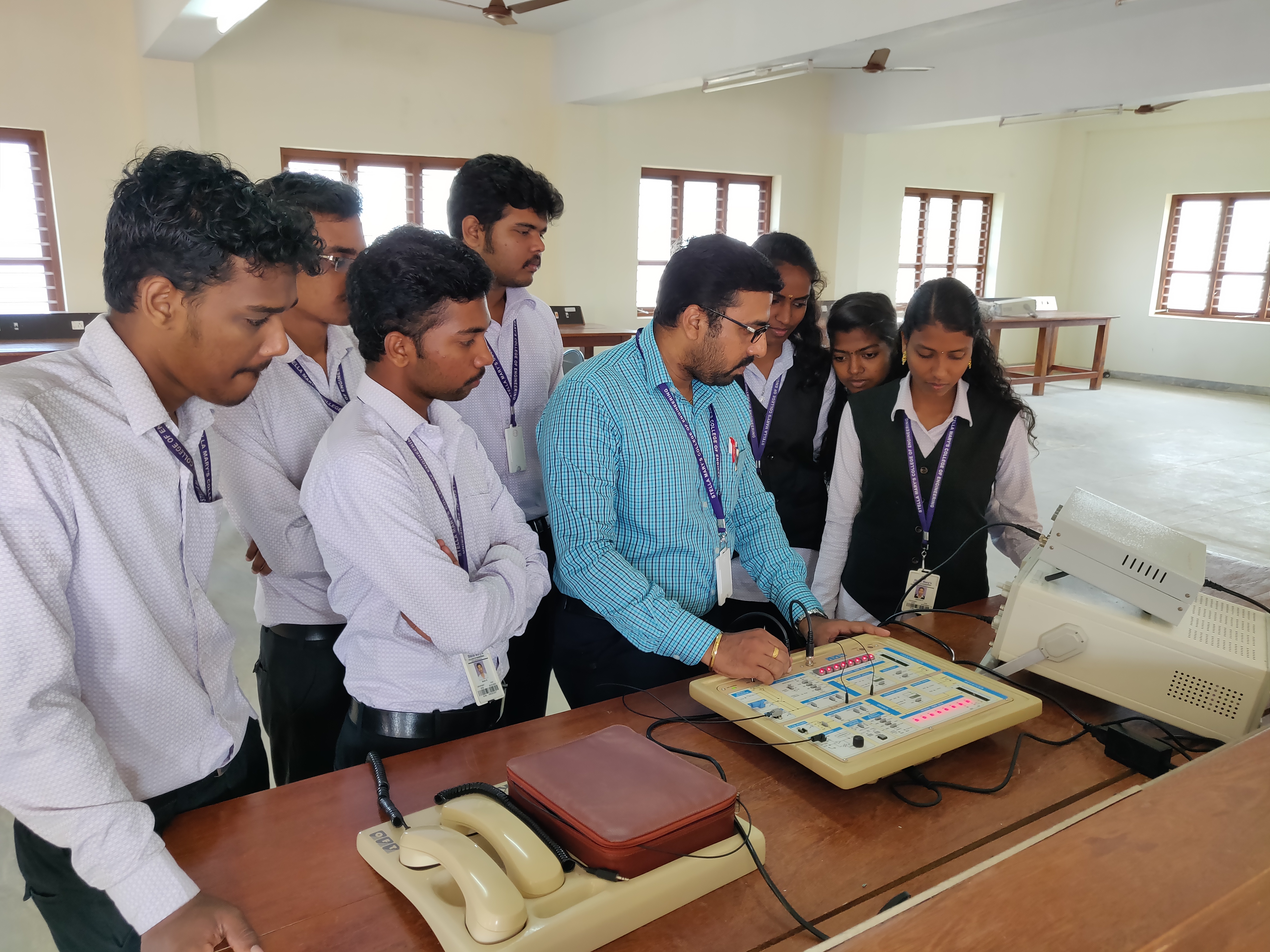
The Department of Electronics and Communication Engineering at Stella Mary's College of Engineering, Kanyakumari, prepares engineers in electronic systems, communication technologies, signal processing, VLSI, embedded systems, microprocessors, microwave engineering and emerging communication technologies.

Department of Electronics and Communication Engineering at Stella Mary's College of Engineering, Kanyakumari
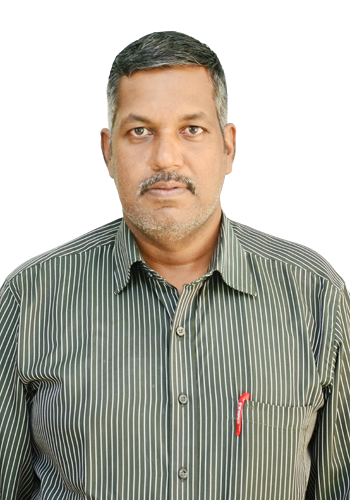
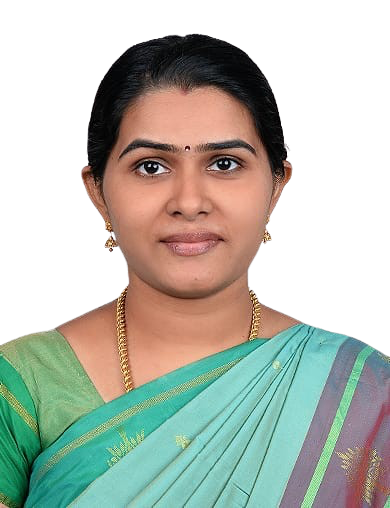
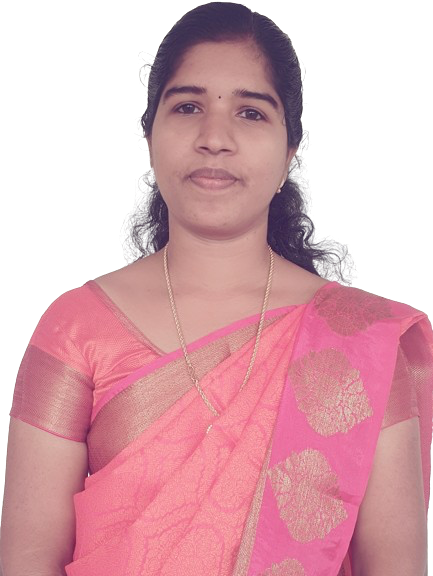
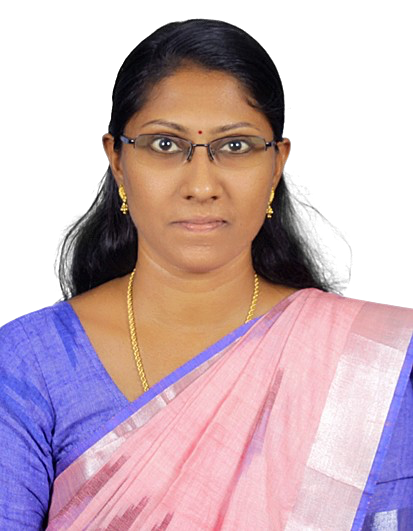
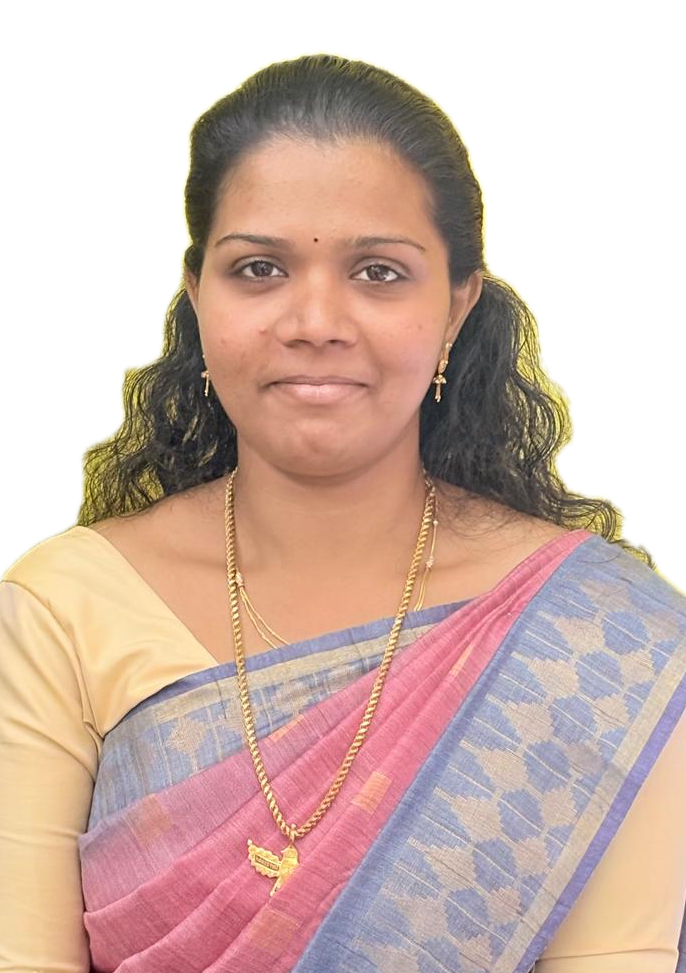
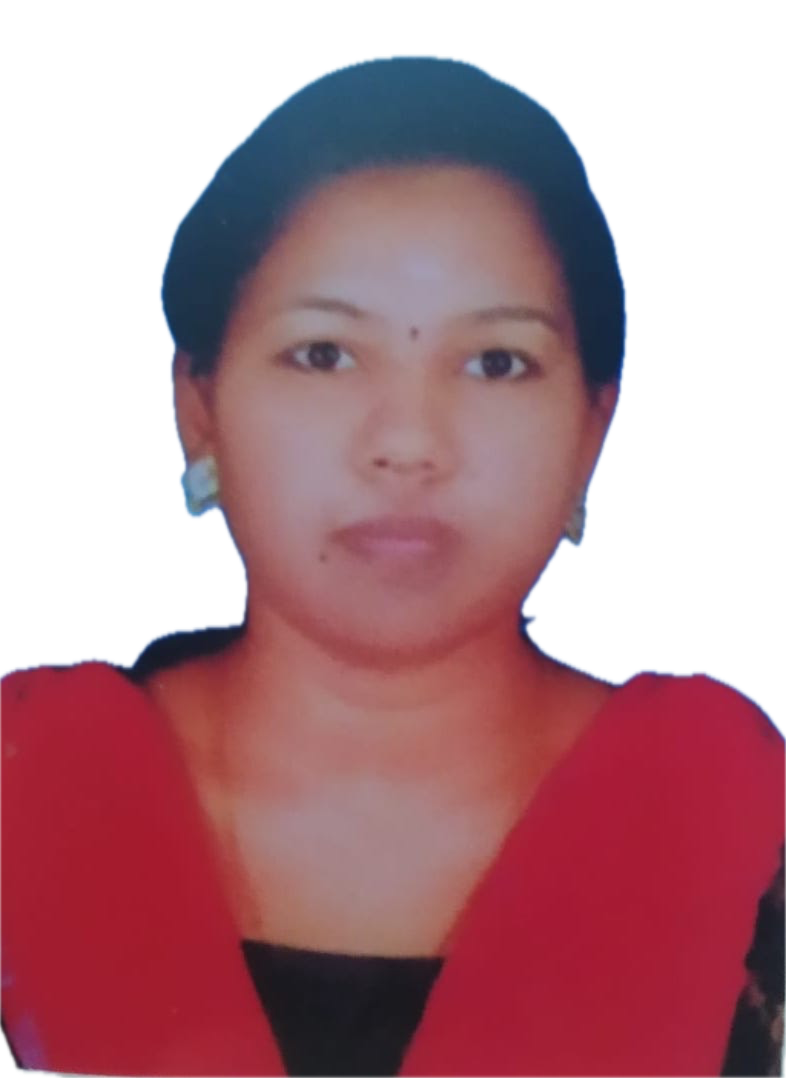
Head of the Department
Programme Intake
60 Students
Degree
B.E. Electronics and Communication Engineering
Established
2013
Communication Systems Embedded Systems VLSI Signal Processing RF & Microwave Electronic Circuits

Vision & Mission

Advancing electronics and communication engineering through education, innovation and socially relevant technical solutions.

Vision

To excel in higher learning and innovative research and to produce creative solutions for community-based needs.

Mission

  • To impart quality education in Electronics and Communication Engineering.
  • To provide technical expertise together with professional ethics based on societal needs.
  • To continuously upgrade technical knowledge to achieve global excellence and develop students with entrepreneurial capabilities.

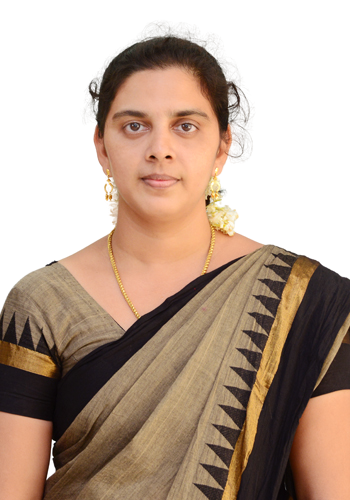
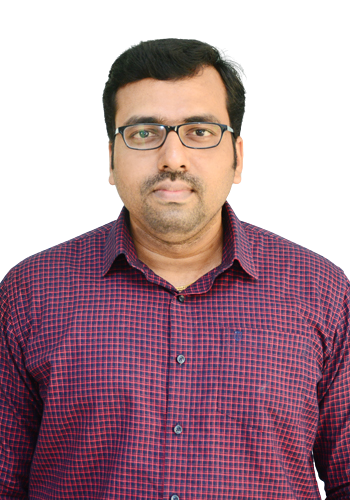
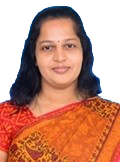
Electronics and Communication Engineering Faculty

Teaching faculty supporting electronics, communication, signal processing, embedded systems, VLSI and related engineering areas.
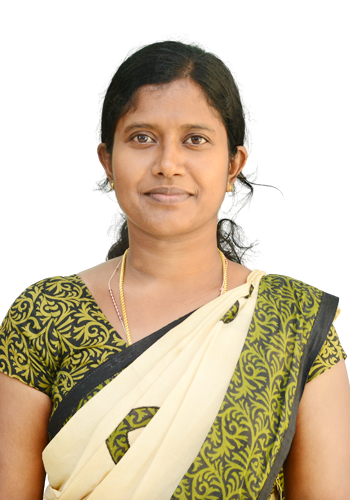
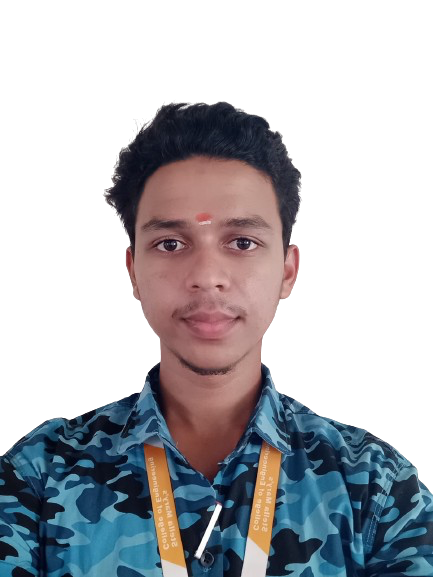
Non-Teaching Staff

Technical and laboratory support personnel of the Electronics and Communication Engineering Department.

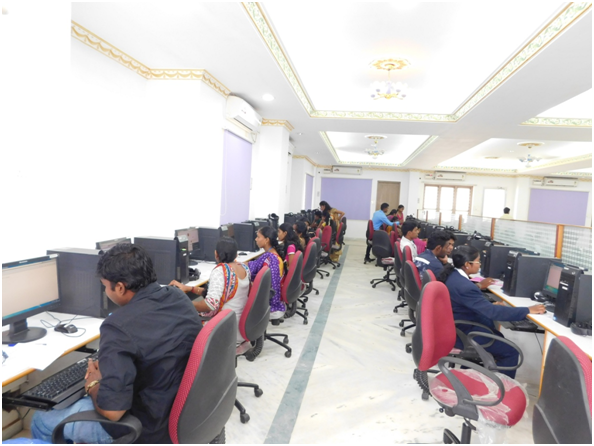
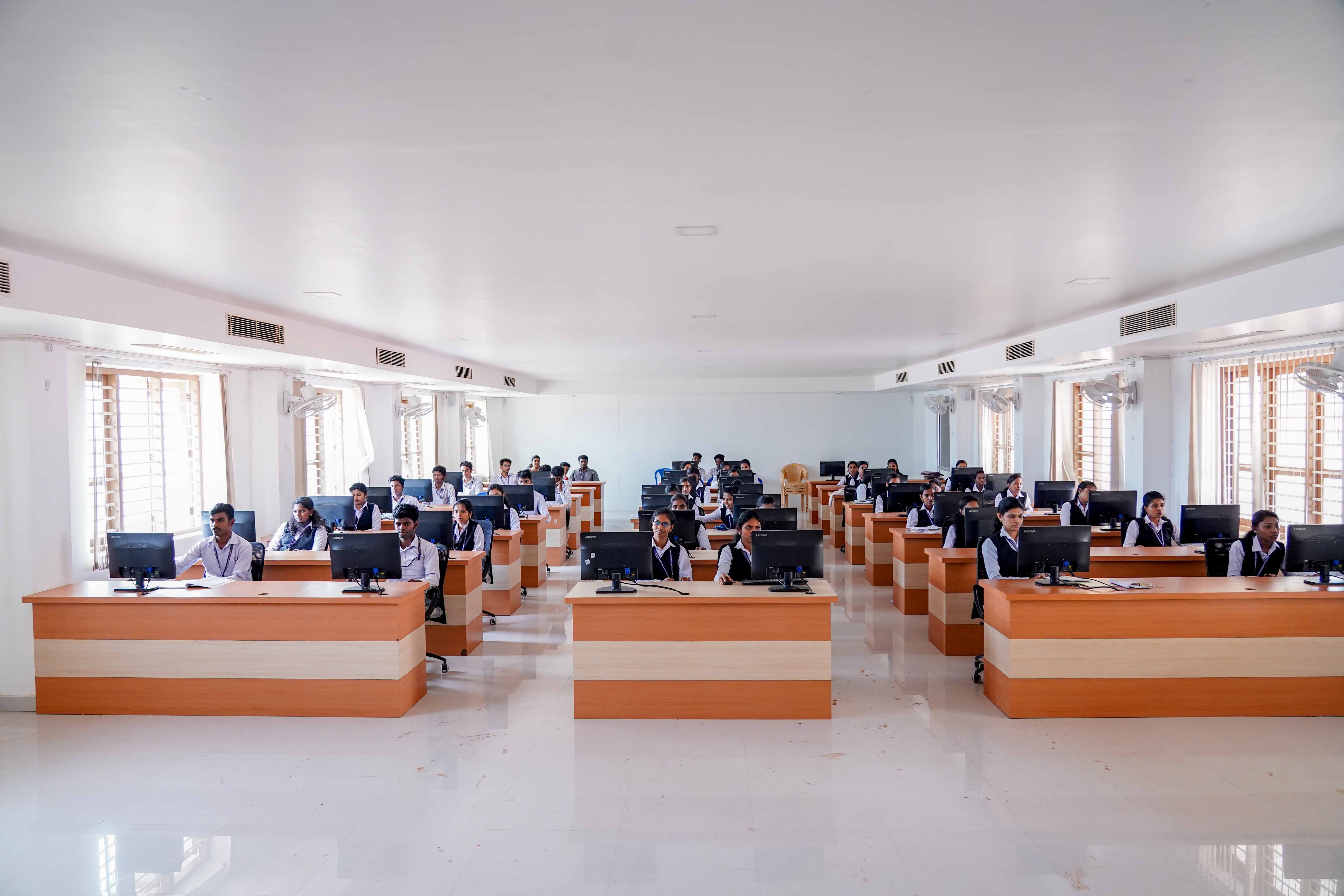
ECE Laboratories

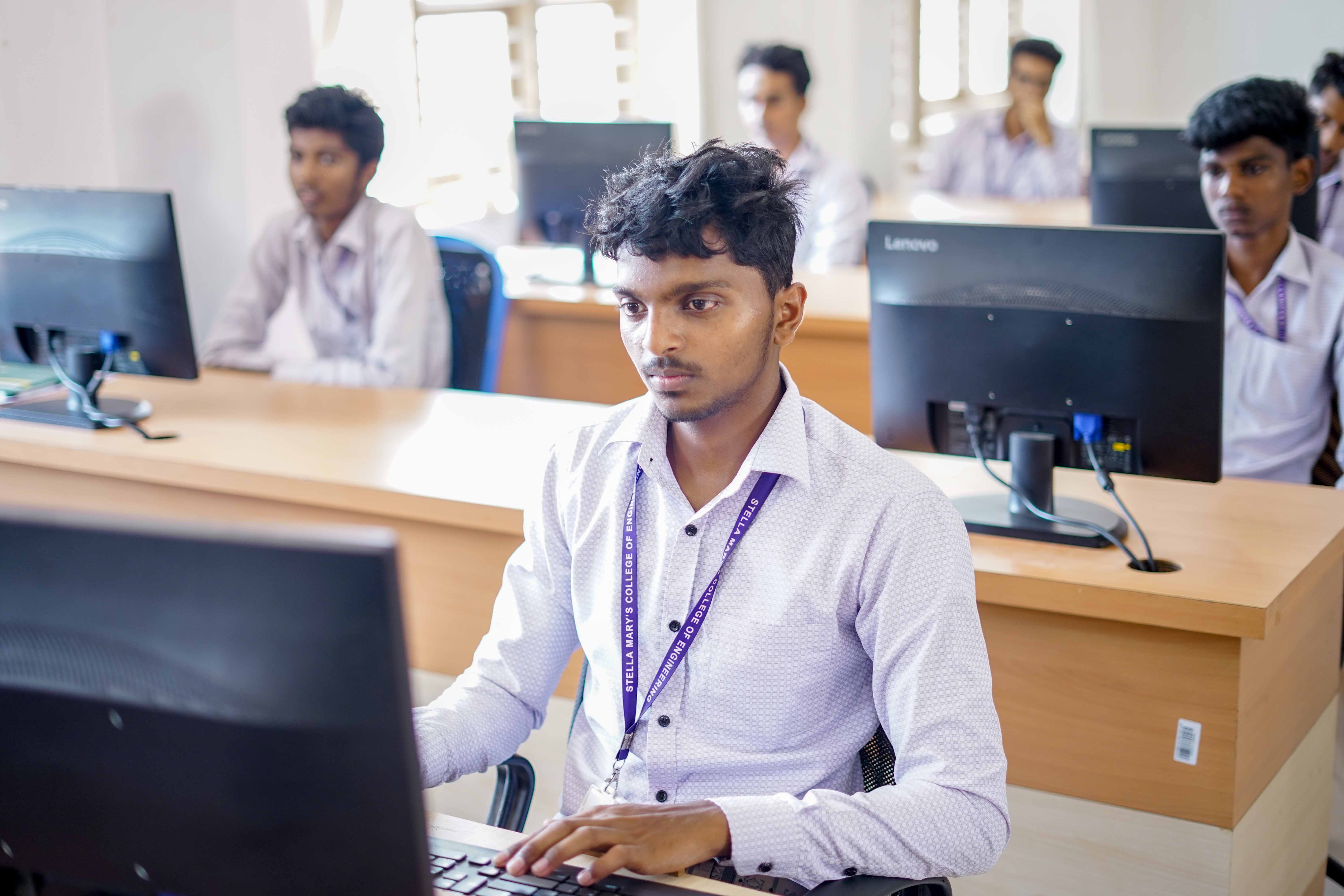
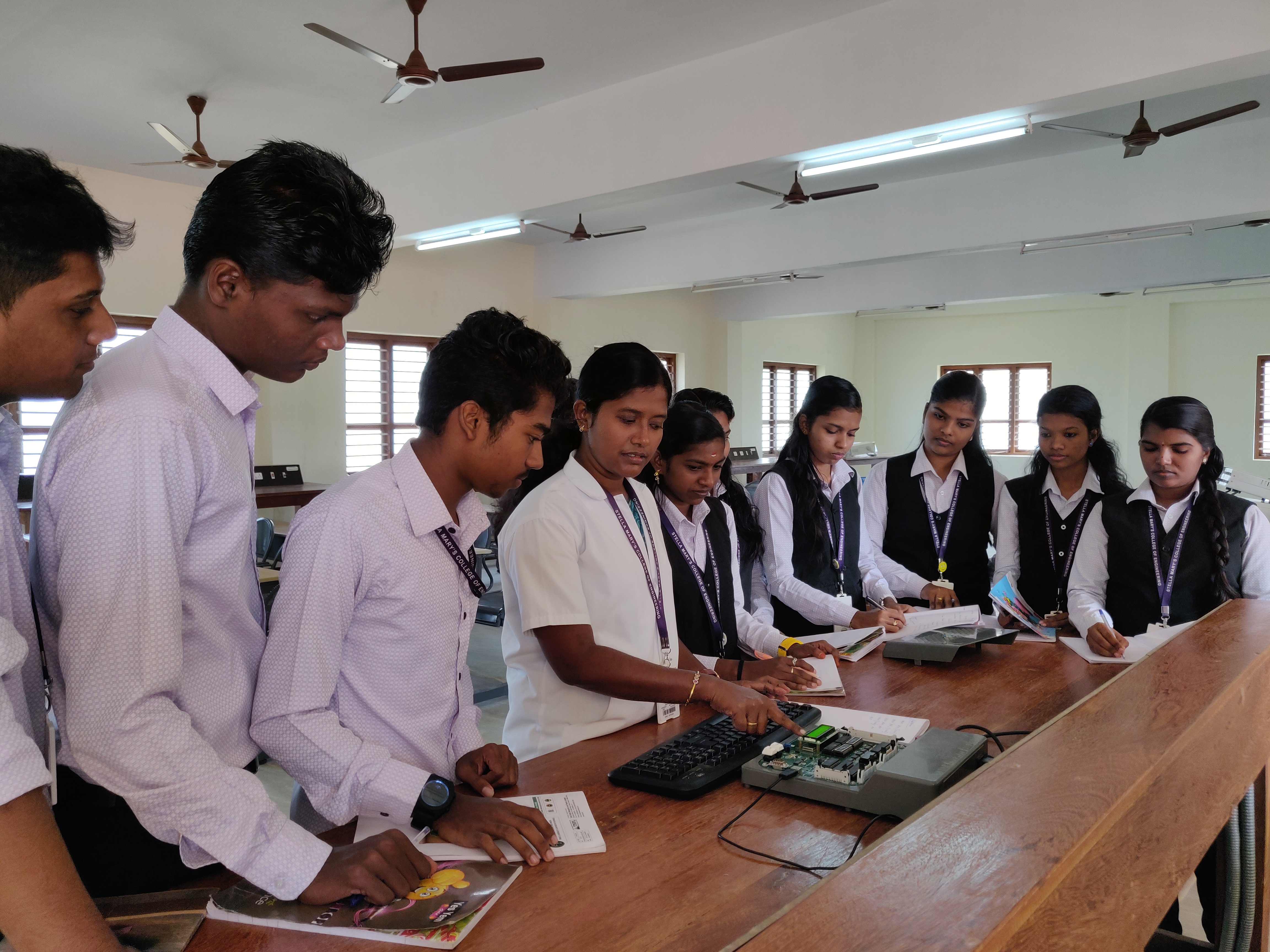
Laboratory facilities supporting electronics, communication systems, VLSI, signal processing, microprocessors, microwave engineering and embedded systems.
Experiments / Learning Activities
  • Visualise the effects of sampling and Time Division Multiplexing.
  • Implement AM and FM modulation and demodulation.
  • Implement PCM and Delta Modulation.
  • Implement FSK, PSK and DPSK schemes.
  • Implement equalisation algorithms.
  • Implement error-control coding schemes.
Equipment / Software
  • AM and FM Modulation / Demodulation Kits
  • Time Division Multiplexing Kit
  • PCM and Delta Modulation Kit
  • FSK and PSK Kits
  • Frequency Division Multiplexing Kit
  • Sampling Kit
Communication Systems Laboratory at Stella Mary's College of Engineering
The current photograph is stored under the CSE asset directory. Replace it with the corresponding ECE laboratory photograph when the correct image is available.

Experiments / Learning Activities
  • Study linear and integrated circuits.
  • Understand commonly available integrated circuits.
  • Apply operational amplifiers in linear and nonlinear applications.
  • Study special-function ICs.
  • Use P-SPICE for circuit design and simulation.
Equipment / Software
  • Function Generator
  • Cathode Ray Oscilloscope
  • Digital Storage Oscilloscope
  • P-SPICE Software
Linear Integrated Circuits Laboratory at Stella Mary's College of Engineering
The current photograph is stored under the CSE asset directory. Replace it with the corresponding ECE laboratory photograph when the correct image is available.

Experiments / Learning Activities
  • Study characteristics of electronic devices.
  • Study CE, CB, CC, CS and differential amplifiers.
  • Design combinational logic circuits.
  • Construct and verify sequential circuits using flip-flops.
  • Develop hands-on electronic circuit design skills.
  • Study amplifiers, feedback circuits, oscillators and multivibrators.
Equipment / Software
  • Function Generator
  • Cathode Ray Oscilloscope
  • Digital Storage Oscilloscope
  • P-SPICE Software
Electronic Devices and Circuits Laboratory at Stella Mary's College of Engineering
The current photograph is stored under the CSE asset directory. Replace it with the corresponding ECE laboratory photograph when the correct image is available.

Experiments / Learning Activities
  • Write assembly-language programs for arithmetic operations.
  • Interface input and output devices with processors.
  • Generate waveforms using microprocessors.
  • Execute programs using the 8051 microcontroller.
Equipment / Software
  • 8279, 8251, 8253, 8255 and 8259 Interfaces
  • Stepper Motor
  • DC Motor
  • ADC and DAC
  • Traffic Light Interface
  • Printer Interfacing Boards
  • 8085 Microprocessor Kit
  • 8086 Microprocessor Kit
  • 8051 Microcontroller Kit
Microprocessor and Microcontroller Laboratory at Stella Mary's College of Engineering
The current photograph is stored under the CSE asset directory. Replace it with the corresponding ECE laboratory photograph when the correct image is available.

Experiments / Learning Activities
  • Simulate Digital Signal Processing systems.
  • Implement DSP systems using DSP processors.
  • Analyse finite-word-length effects.
  • Study applications of FFT in signal processing.
Equipment / Software
  • Fixed Point DSP Processor Kit
  • Floating Point DSP Processor Kit
  • MATLAB / SIMULINK
Digital Signal Processing Laboratory at Stella Mary's College of Engineering
The current photograph is stored under the CSE asset directory. Replace it with the corresponding ECE laboratory photograph when the correct image is available.

Experiments / Learning Activities
  • Write HDL code for basic and advanced digital integrated circuits.
  • Implement logic modules on FPGA boards.
  • Synthesize, place and route digital IPs.
  • Design, simulate and extract layouts of analogue IC blocks using EDA tools.
Equipment / Software
  • Cadence - 20 User Licence
  • FPGA Spartan 6
  • X-Link
VLSI Design Laboratory at Stella Mary's College of Engineering
The current photograph is stored under the CSE asset directory. Replace it with the corresponding ECE laboratory photograph when the correct image is available.

Experiments / Learning Activities
  • Establish communication between desktop computers.
  • Implement and analyse networking protocols.
Equipment / Software
  • LAN Trainer Kit
Computer Networks Laboratory at Stella Mary's College of Engineering
The current photograph is stored under the CSE asset directory. Replace it with the corresponding ECE laboratory photograph when the correct image is available.

Experiments / Learning Activities
  • Analyse the performance of optical links.
  • Test microwave and optical components.
  • Study fibre mode characteristics.
  • Analyse antenna radiation patterns.
  • Determine S-parameters of microwave components.
Equipment / Software
  • Klystron Test Bench - X Band
  • Advanced Fiber Optic Trainer Kit
  • Single Mode Fiber Characteristics Trainer
Microwave and Fiber Optics Laboratory at Stella Mary's College of Engineering
The current photograph is stored under the CSE asset directory. Replace it with the corresponding ECE laboratory photograph when the correct image is available.

Experiments / Learning Activities
  • Study ARM processor operation.
  • Understand building blocks of embedded systems.
  • Understand memory maps and memory interfaces.
  • Study characteristics of real-time systems.
  • Interface memory and I/O devices with processors.
  • Study interrupt performance.
Equipment / Software
  • Embedded Trainer Kits with ARM Board
  • ARM Cortex M3
  • Zigbee Module
  • Temperature Sensor
  • Stepper Motor
  • Keyboard and LCD
  • ADC and DAC Starter Kit
  • RTC and UART Interfaces
  • EEPROM Interface
  • PWM Interface
Embedded Systems Laboratory at Stella Mary's College of Engineering
The current photograph is stored under the CSE asset directory. Replace it with the corresponding ECE laboratory photograph when the correct image is available.

Board of Studies

University nominees, academic experts, industry representatives, alumni and faculty supporting ECE curriculum development.

Electronics and Communication Engineering Board of Studies
# Name Designation Institution / Organisation Role
1 Mr. N. Michael Franklin Assistant Professor & Head Stella Mary's College of Engineering Chairman - BoS
2 Dr. E. Sivaraman Associate Professor, ECE Government College of Engineering, Tirunelveli University Nominee
3 Dr. J. Jayakumari Professor and International Liaison Officer, ECE Mar Baselios College of Engineering and Technology Subject Expert - External
4 Dr. R. S. Vinod Kumar Professor, ECE NICHE, Kumaracoil, Thuckalay Subject Expert - External
5 Mr. S. Edwin Lawrence Design Engineer 1 - DFT Tessolve Semiconductor Pvt. Ltd., Bangalore Industry Expert
6 Ms. M. J. Vaishnavi Quality Analyst Agile Cyber Solutions Alumni
7 Mr. K. Gopal Ramv Associate Professor SMCE Member
8 Mrs. A. B. Evanjalin Assistant Professor SMCE Member
9 Mrs. M. L. Ashly Beby Assistant Professor SMCE Member
10 Mrs. V. Jino Shiny Assistant Professor SMCE Member
11 Mr. G. Biju George Assistant Professor SMCE Member
12 Mrs. P. Baby Shola Assistant Professor SMCE Member
13 Mrs. E. Ramola Assistant Professor SMCE Member
14 Mr. R. Robert Assistant Professor SMCE Member
15 Mrs. G. Anuthirsha Assistant Professor SMCE Member

BoS Minutes

ECE Curriculum & Syllabus

Academic regulations for the B.E. Electronics and Communication Engineering programme.

Programme Outcomes

Engineering graduate attributes and ECE-specific technical competencies.

Programme Outcomes (POs)

  • PO1 – Engineering Knowledge: Apply mathematics, science, engineering fundamentals and engineering specialisation to complex engineering problems.
  • PO2 – Problem Analysis: Identify, formulate and analyse engineering problems using first principles of mathematics, natural sciences and engineering sciences.
  • PO3 – Design / Development of Solutions: Design solutions for complex engineering problems while considering health, safety, societal and environmental needs.
  • PO4 – Conduct Investigations: Use research methods, experimentation, analysis and interpretation to derive valid conclusions.
  • PO5 – Modern Tool Usage: Apply modern engineering and IT tools while understanding their limitations.
  • PO6 – Engineer and Society: Assess societal, legal, cultural, health and safety issues relevant to professional engineering.
  • PO7 – Environment and Sustainability: Understand environmental and societal impacts of engineering solutions and sustainable development.
  • PO8 – Ethics: Apply professional ethics and engineering responsibilities.
  • PO9 – Individual and Team Work: Function effectively individually and in multidisciplinary teams.
  • PO10 – Communication: Communicate effectively with the engineering community and society.
  • PO11 – Project Management and Finance: Apply engineering and management principles to projects and multidisciplinary environments.
  • PO12 – Life-long Learning: Engage in independent and continuous learning in response to technological change.

Programme Specific Outcomes (PSOs)

On successful completion of the Electronics and Communication Engineering programme, graduates shall be able to:

  • PSO1: Design, develop and analyse electronic systems using electronics, mathematics and engineering principles.
  • PSO2: Design, develop and analyse communication systems using communication principles, signal processing, RF system design and electromagnetics.
  • PSO3: Adapt to emerging electronics and communication technologies and develop innovative solutions to existing and emerging engineering problems.

Academic Calendar

Semester schedules and academic milestones for Electronics and Communication Engineering.

2023–24 Even Semester Document link to be updated
2023–24 Odd Semester Document link to be updated
2022–23 Even Semester Document link to be updated
2022–23 Odd Semester Document link to be updated
2021–22 Even Semester Document link to be updated
2021–22 Odd Semester Document link to be updated
2020–21 Even Semester Document link to be updated
2020–21 Odd Semester Document link to be updated
2019–20 Even Semester Document link to be updated
2019–20 Odd Semester Document link to be updated
2018–19 Even Semester Document link to be updated
2018–19 Odd Semester Document link to be updated

ECE Newsletter

Department activities, technical programmes, student events and academic highlights.

ECE Newsletter - August 2016 Department Newsletter
ECE Newsletter - November 2015 Department Newsletter
ECE Newsletter - May 2015 Department Newsletter
ECE Newsletter - May 2014 Department Newsletter
ECE Newsletter - December 2013 Department Newsletter

Industry Collaboration

Value-added learning, internships and institutional industry engagement supporting ECE students.

ECE Value Added Course Industry-oriented learning
ECE Internship Records Student industry exposure

Placement

Career development and placement opportunities for Electronics and Communication Engineering students.

ECE placement documents are being updated.

ECE Alumni Testimonials

Experiences shared by graduates of the Electronics and Communication Engineering programme.

Vaishnavi M J, ECE alumna of Stella Mary's College of Engineering

Vaishnavi M J

ECE Alumna 2019–2023 • Software Developer, Agile Cyber Solutions

The infrastructure provided by Stella Mary's College of Engineering and the support of my teachers were instrumental in my academic and professional growth. Their guidance and feedback enriched my learning experience and helped me progress confidently towards my career.
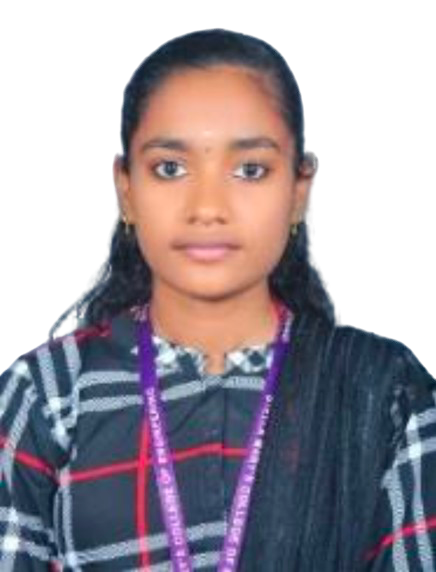
Lavanya M, ECE alumna 2018 to 2022

Lavanya M

ECE Alumna • 2018–2022

My journey in Electronics and Communication Engineering at Stella Mary's College of Engineering provided a supportive academic environment, dedicated faculty, practical learning opportunities and modern laboratory facilities. The encouragement I received helped me develop both academically and personally while preparing me for future professional challenges.
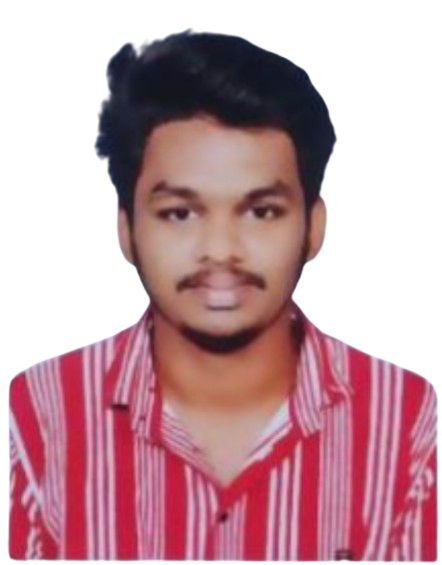
Subin Raj V, ECE alumnus 2018 to 2022

Subin Raj V

ECE Alumnus • 2018–2022

Studying Electronics and Communication Engineering at Stella Mary's College of Engineering provided me with a strong foundation for my career. Faculty guidance, laboratory facilities, workshops, projects and practical learning strengthened both my technical knowledge and problem-solving ability while supporting my personal and professional growth.
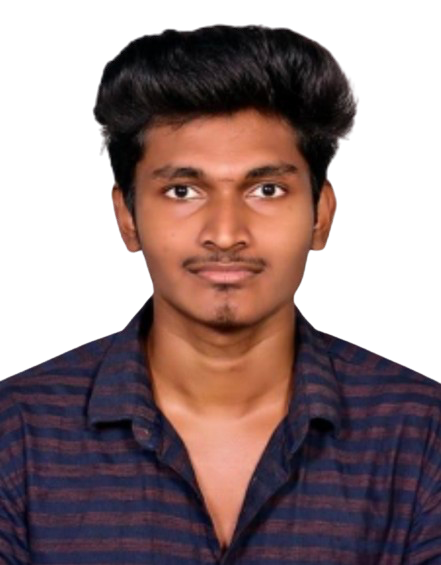
Bhadri R, ECE alumnus and web developer

Bhadri R

ECE Alumnus • 2018–2022 • Web Developer & Trainer

The ECE programme provided me with theoretical knowledge, hands-on laboratory learning and opportunities to explore emerging technologies. Faculty mentorship, workshops, projects and industry-oriented activities helped develop the technical confidence and problem-solving skills that support my current professional work.

About Electronics and Communication Engineering at Stella Mary's College of Engineering

Quick answers about the B.E. Electronics and Communication Engineering programme.

When was the ECE Department established at Stella Mary's College of Engineering?

The Department of Electronics and Communication Engineering was established in 2013.

What ECE programme is offered?

The department offers a four-year B.E. Electronics and Communication Engineering programme.

What is the intake for ECE?

The B.E. Electronics and Communication Engineering programme has an intake of 60 students.

Who is the Head of the ECE Department?

The Department of Electronics and Communication Engineering is headed by Mr. N. Michael Franklin.

What are the main areas studied in ECE?

ECE students study electronic circuits, communication systems, signal processing, microprocessors, microcontrollers, VLSI design, embedded systems, microwave engineering, fiber-optic communication, RF systems and related emerging technologies.

What laboratories are available in the ECE Department?

The department provides laboratories for Communication Systems, Linear Integrated Circuits, Electronic Devices and Circuits, Microprocessors and Microcontrollers, Digital Signal Processing, VLSI Design, Computer Networks, Microwave and Fiber Optics and Embedded Systems.

What is ELECTAS?

ELECTAS is the student technical association of the Department of Electronics and Communication Engineering. It supports student participation, technical learning, professional interaction and department activities.

What career opportunities are available for ECE graduates?

ECE graduates can pursue careers in electronics design, embedded systems, VLSI and semiconductor engineering, telecommunications, signal processing, RF and wireless systems, IoT, automation, software technologies and related engineering and research fields.

Where is Stella Mary's College of Engineering located?

Stella Mary's College of Engineering is located in Kanyakumari district, Tamil Nadu, India.