Mechanical Engineering
The Department of Mechanical Engineering at Stella Mary's College of Engineering, Kanyakumari, develops engineers in design, manufacturing, thermal sciences, CAD/CAM, fluid engineering, machine dynamics, metrology, mechatronics, IoT and emerging mechanical technologies.
Vision & Mission
Developing skilled and innovative Mechanical Engineers through education, research, collaboration and responsible engineering.
Vision
To excel in Mechanical Engineering by producing skilled, innovative engineers who address societal challenges and develop impactful solutions through research, collaboration and practical applications.
Mission
- To equip students with the knowledge and skills necessary to become exceptional Mechanical Engineers capable of solving complex problems and driving positive change through innovation and ethical leadership.
- To conduct innovative research, develop advanced technologies and collaborate with industry partners to address critical engineering challenges and contribute to a sustainable future.
- To apply engineering knowledge to enhance communities, inspire future generations and protect the environment through safe and responsible practices.
Mechanical Engineering Faculty
Teaching faculty supporting design, manufacturing, thermal engineering, CAD/CAM, materials, fluid engineering and emerging technologies.
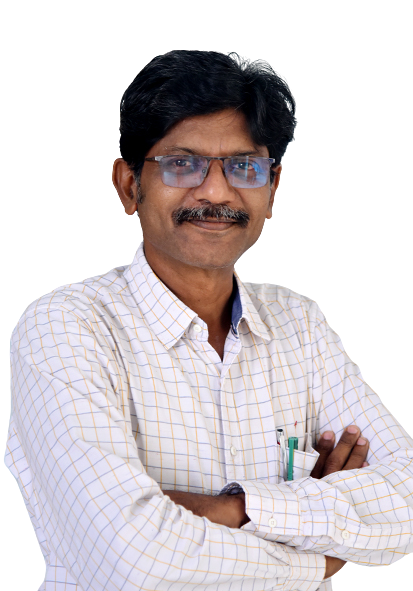
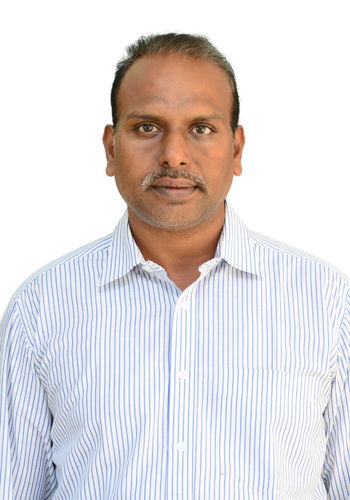
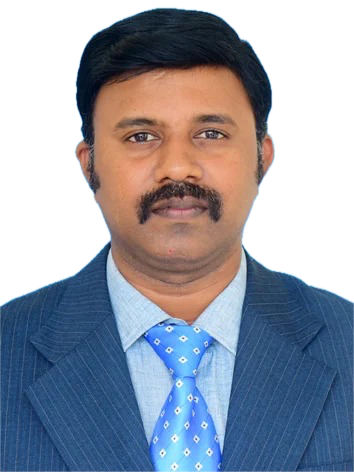
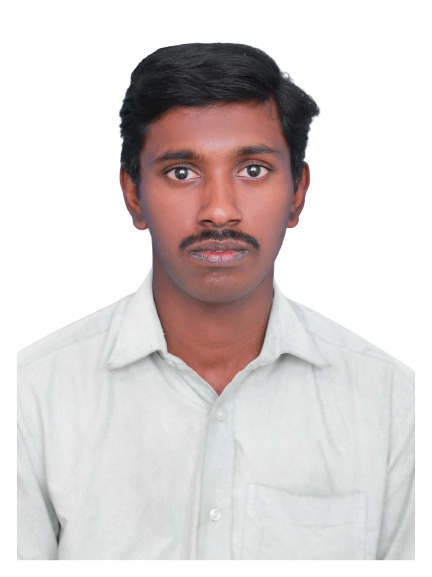
Dr Michael Raj F
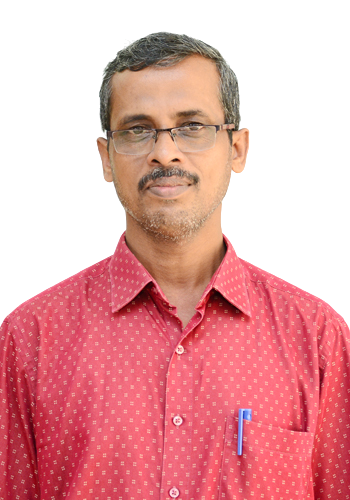
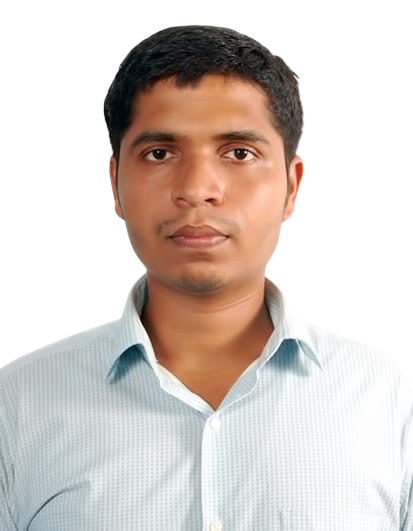
ProfessorDr Brabin Nivas M L
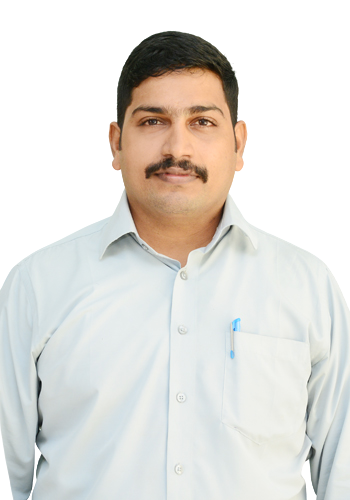
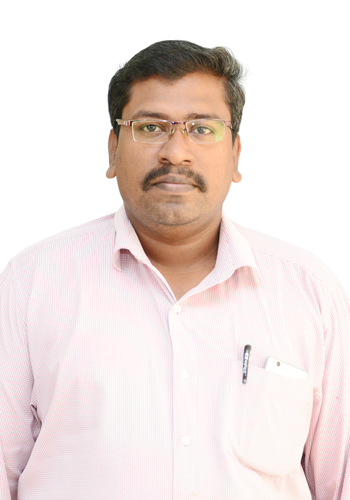
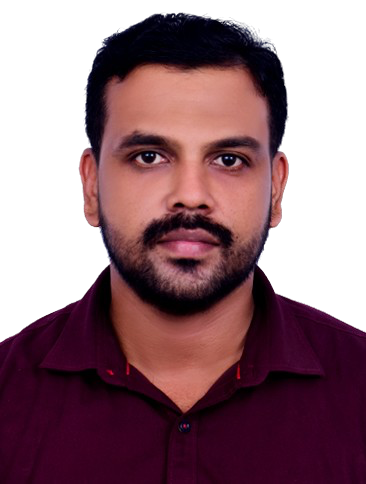
Associate ProfessorDr Sagai Francis Britto A
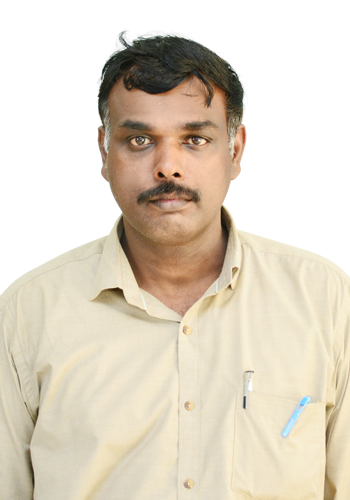
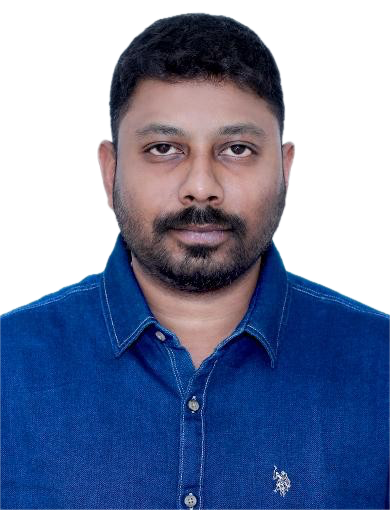
Associate ProfessorMr Ajith kumar S
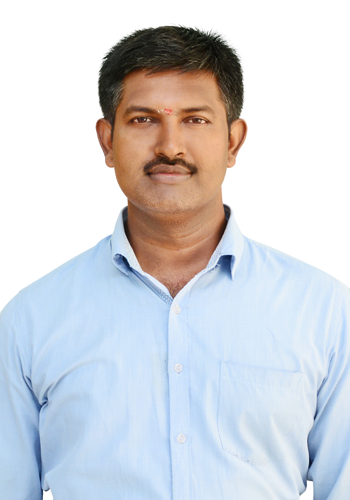
Assistant ProfessorMr RajKumar S.R
Assistant ProfessorMr Bravin Daniel E
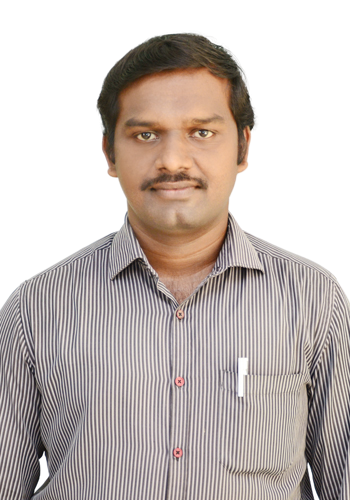
Assistant ProfessorMr Vijayan P
Assistant ProfessorMr Manikandan N
Assistant ProfessorMr Rakhesh I P
Assistant ProfessorMr Sarasa Kumar K
Assistant ProfessorMr Ajai L K
Assistant ProfessorMr Sujin M
Assistant ProfessorMr Jein Sam Dhas R
Assistant ProfessorMr CYRIL PRATHAP SINGH V
Assistant ProfessorMr BRITTO B
Assistant ProfessorDr SUNESH N
Assistant ProfessorNon-Teaching Staff
Technical staff supporting Mechanical Engineering laboratories, workshops and practical learning.
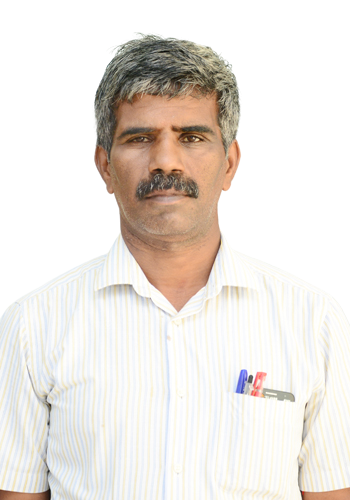
Arunachalam L
Laboratory InstructorShaju E S
Laboratory InstructorMechanical Engineering Laboratories
Hands-on facilities for manufacturing, CAD/CAM, thermal sciences, fluid mechanics, machine dynamics, metrology, materials and mechatronics.
The Engineering Practices Laboratory introduces students to workshop practice and fundamental engineering skills through plumbing, carpentry, welding, machining, assembly, sheet-metal work and foundry operations.
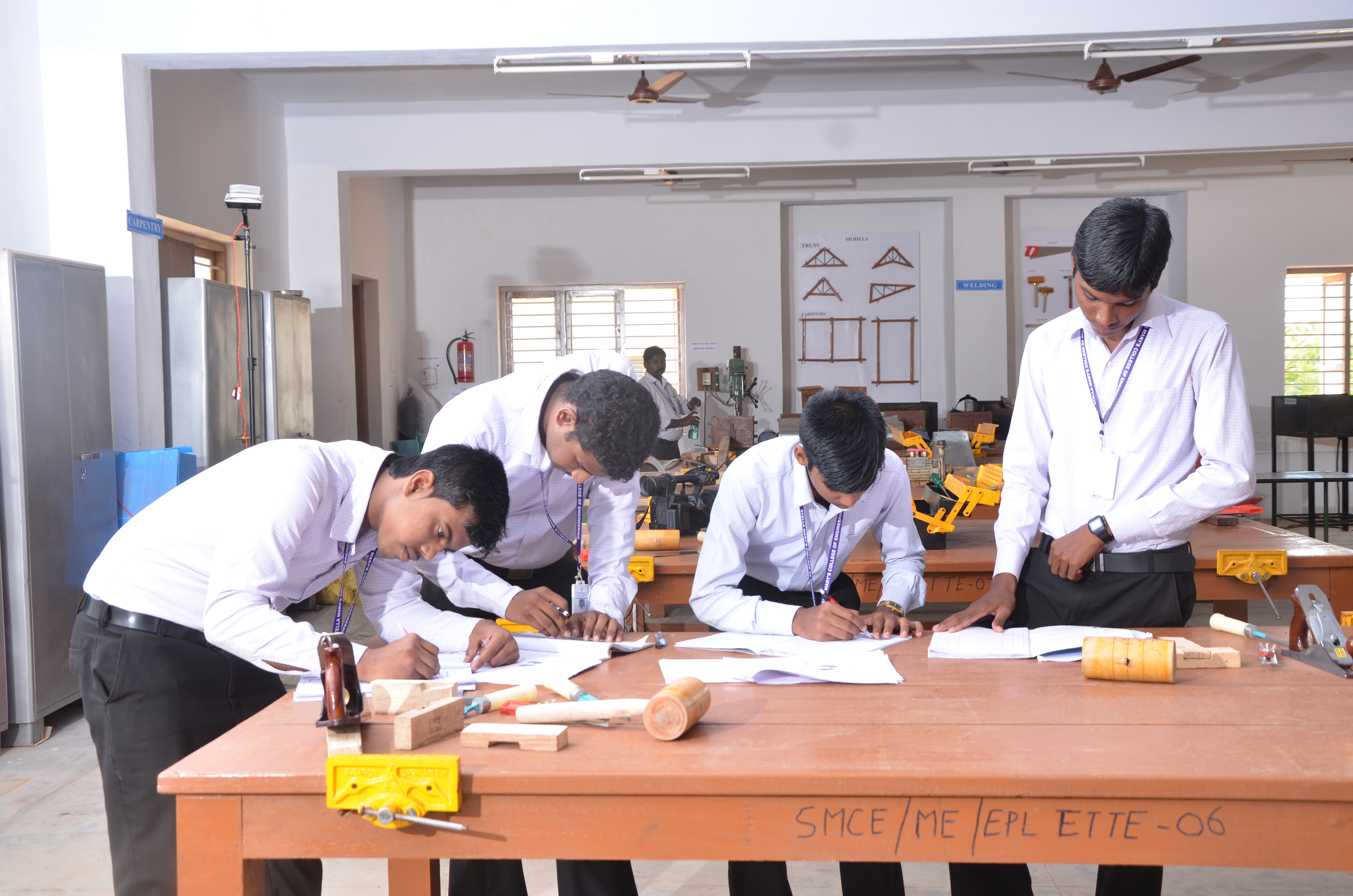
- Plumbing Work
- Basic fitting and joining operations
- Tri Square
- Hand Saw
- Carpentry Bench Vice
- Firmer Chisel
- Mortise Chisel
- Jack Plane
- Mallet
- Bench Hold Fast
- Wooden Bench Hook
- Wood Cutting Machine
- Arc Welding Unit
- Gas Welding Unit
- Lathe Machines
- Drilling Machines
- Centrifugal Pump Assembly
- Air Conditioner Unit
- Household Mixer Assembly
- Sheet Metal Tools
- Foundry Tools and Patterns
The CADEM Centre provides practical experience in 2D drafting, 3D modelling, CAD, CAM, simulation and engineering analysis. Students also receive exposure to CNC machine tools including CNC lathes and vertical machining systems.
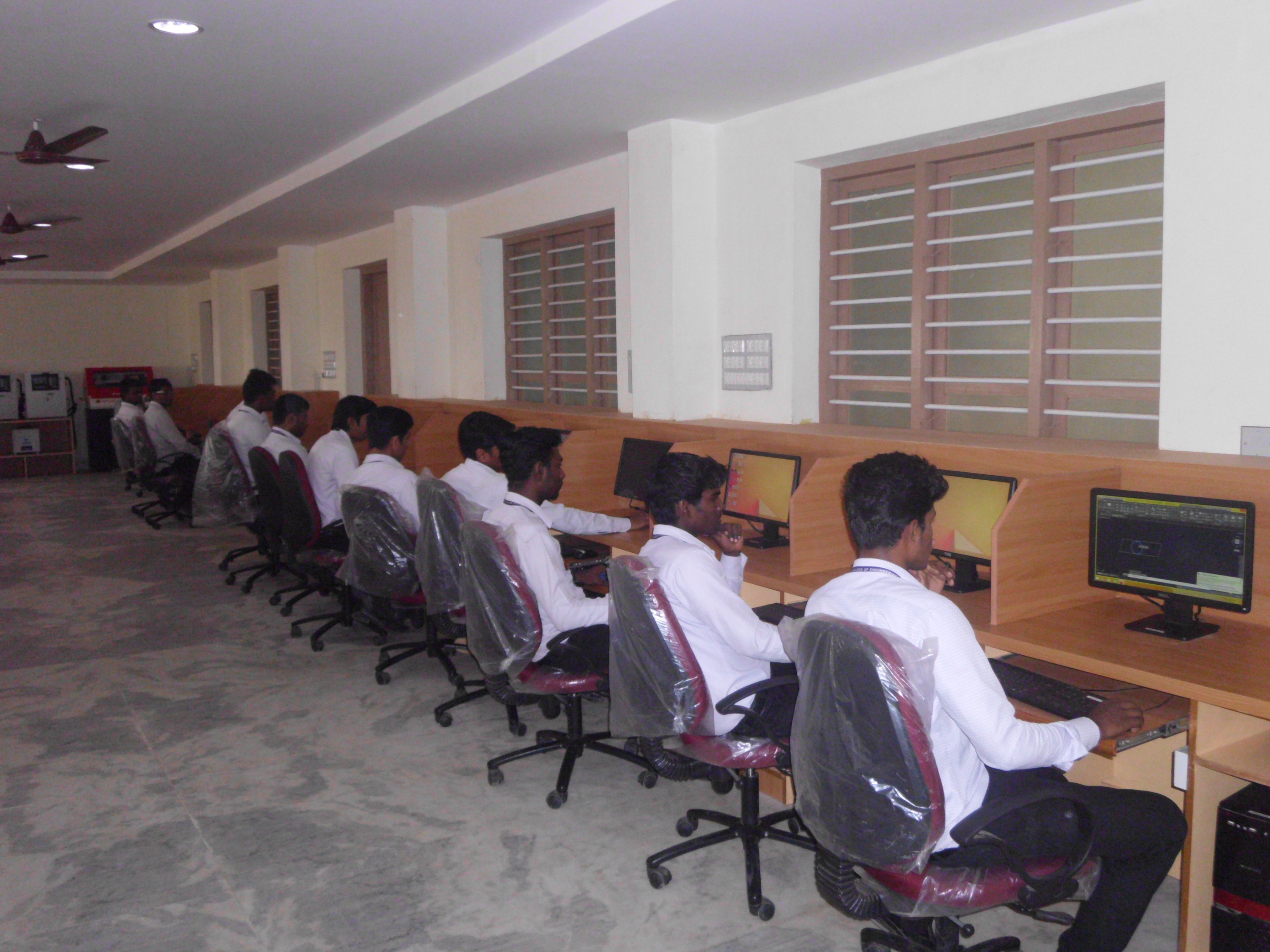
- CNC Lathe
- CNC Vertical Milling Machine
- 61 Desktop Computers
- 50 Creo Licences
- 50 ANSYS Licences
- LCD Projector
- Headsets
- Internet and Intranet Connectivity
- Wi-Fi Facility
- Document Scanner and Copier
This laboratory supplements theoretical learning in Kinematics of Machinery and Dynamics of Machinery, allowing students to understand mechanisms, vibration, balancing and dynamic behaviour experimentally.
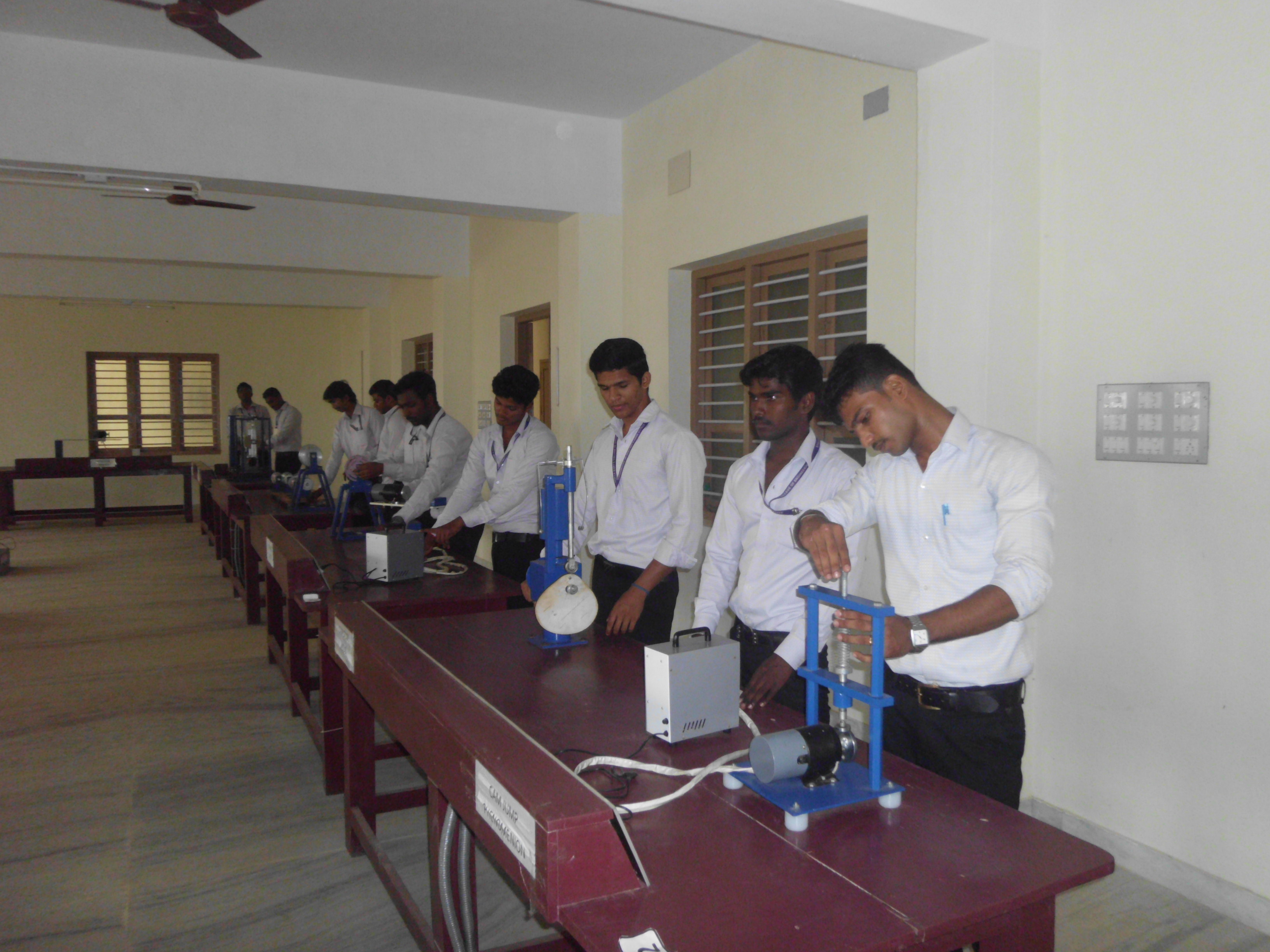
- Cam Follower Setup
- Motorised Gyroscope
- Watt, Porter, Proell and Hartnell Governor Apparatus
- Whirling of Shaft Apparatus
- Dynamic Balancing Machine
- Two-Rotor Vibration Setup
- Spring-Mass Vibration System
- Torsional Vibration Setup
- Gear Models
- Kinematic Mechanism Models
- Turntable Apparatus
- Transverse Vibration Setups
The Fluid Mechanics and Machinery Laboratory enables students to study fluid-flow measurement, pipe losses, dimensional analysis, pumps and hydraulic turbines.
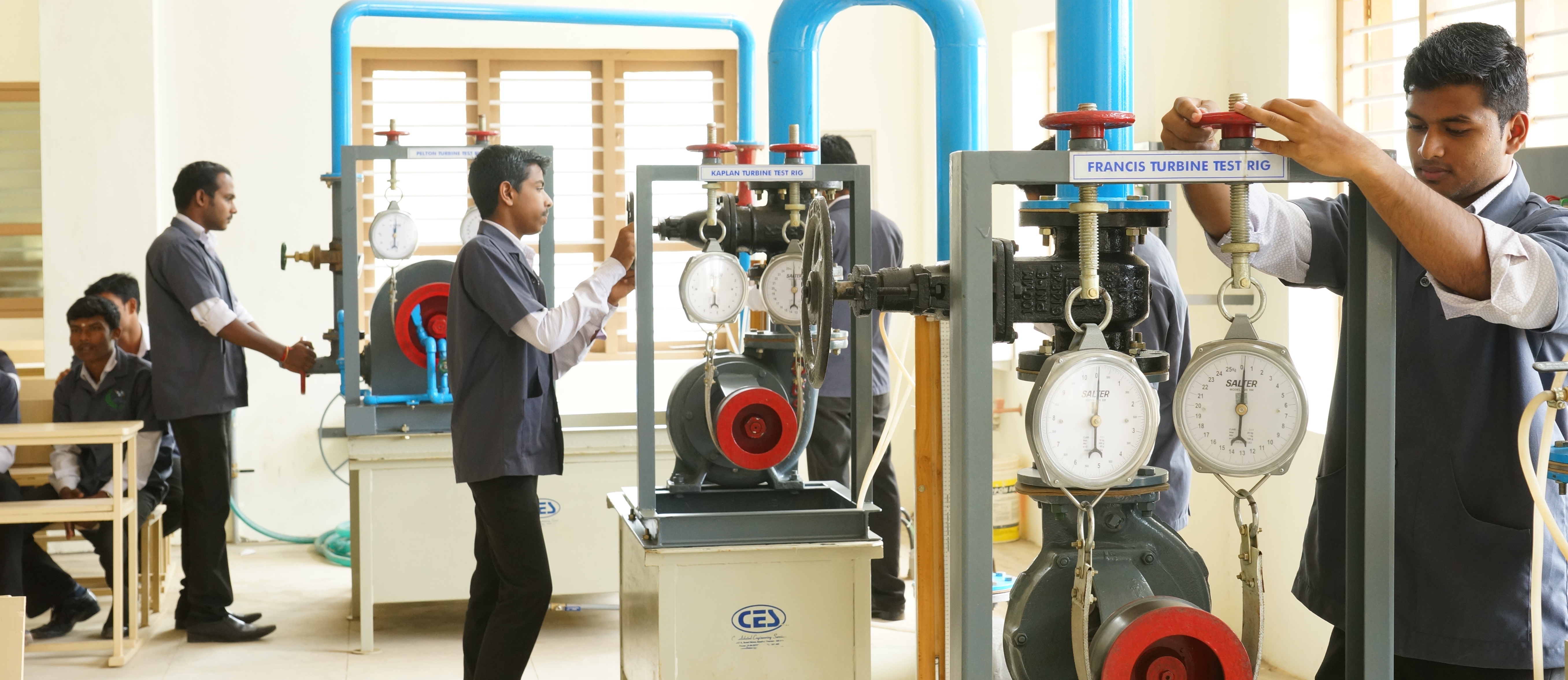
- Orifice Meter Setup
- Venturi Meter Setup
- Rotameter Setup
- Pipe Flow Analysis Setup
- Centrifugal Pump
- Submersible Pump
- Reciprocating Pump
- Gear Pump
- Pelton Wheel Turbine
- Francis Turbine
- Kaplan Turbine
- Notch Apparatus
- Minor Loss Apparatus
- Multi-stage Centrifugal Pump
- Orifice and Mouthpiece Setup
- Bernoulli's Apparatus
- Metacentric Height Setup
- Pitot Tube
- Hydraulic Flume Test Setup
The Manufacturing Technology Laboratory develops practical skills in machining, metal forming, welding, CNC machining and manufacturing processes used in core industries.
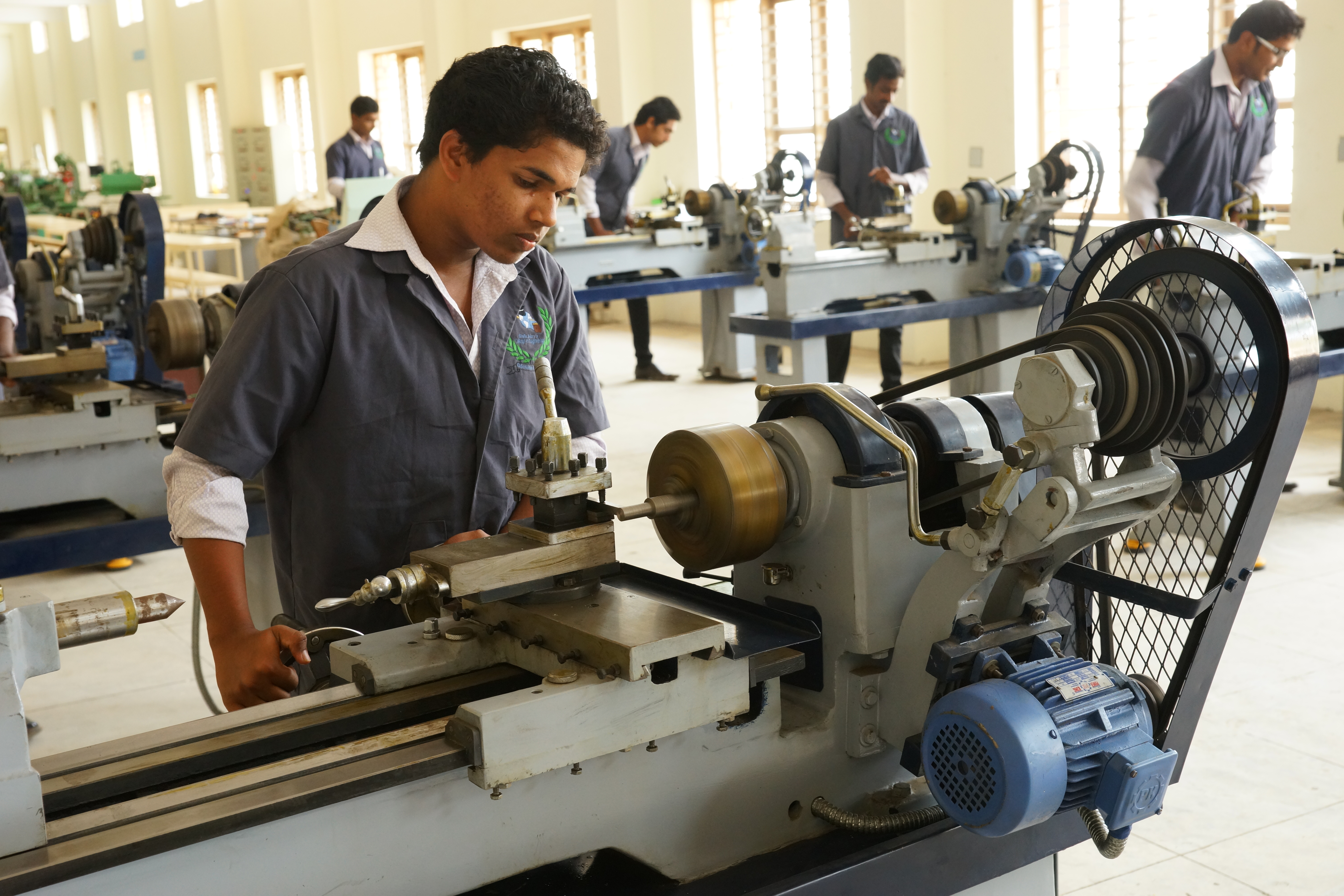
- Centre Lathes
- Horizontal Milling Machine
- Vertical Milling Machine
- Shaper
- Arc Welding Transformer
- Gas Welding Equipment
- Moulding Equipment
- Sheet Metal Forming Tools
- Turret and Capstan Lathes
- Surface Grinding Machine
- Radial Drilling Machine
- Lathe Tool Dynamometer
- Milling Tool Dynamometer
- Gear Hobbing Machine
- Tool Makers Microscope
- CNC Lathe
- CNC Milling Machine
- Gear Shaping Machine
- Centreless Grinding Machine
- Tool and Cutter Grinder
- Cylindrical Grinding Machine
- Injection Moulding Machine
This laboratory familiarises students with precision measurement, dimensional inspection and instruments commonly used for industrial quality control.
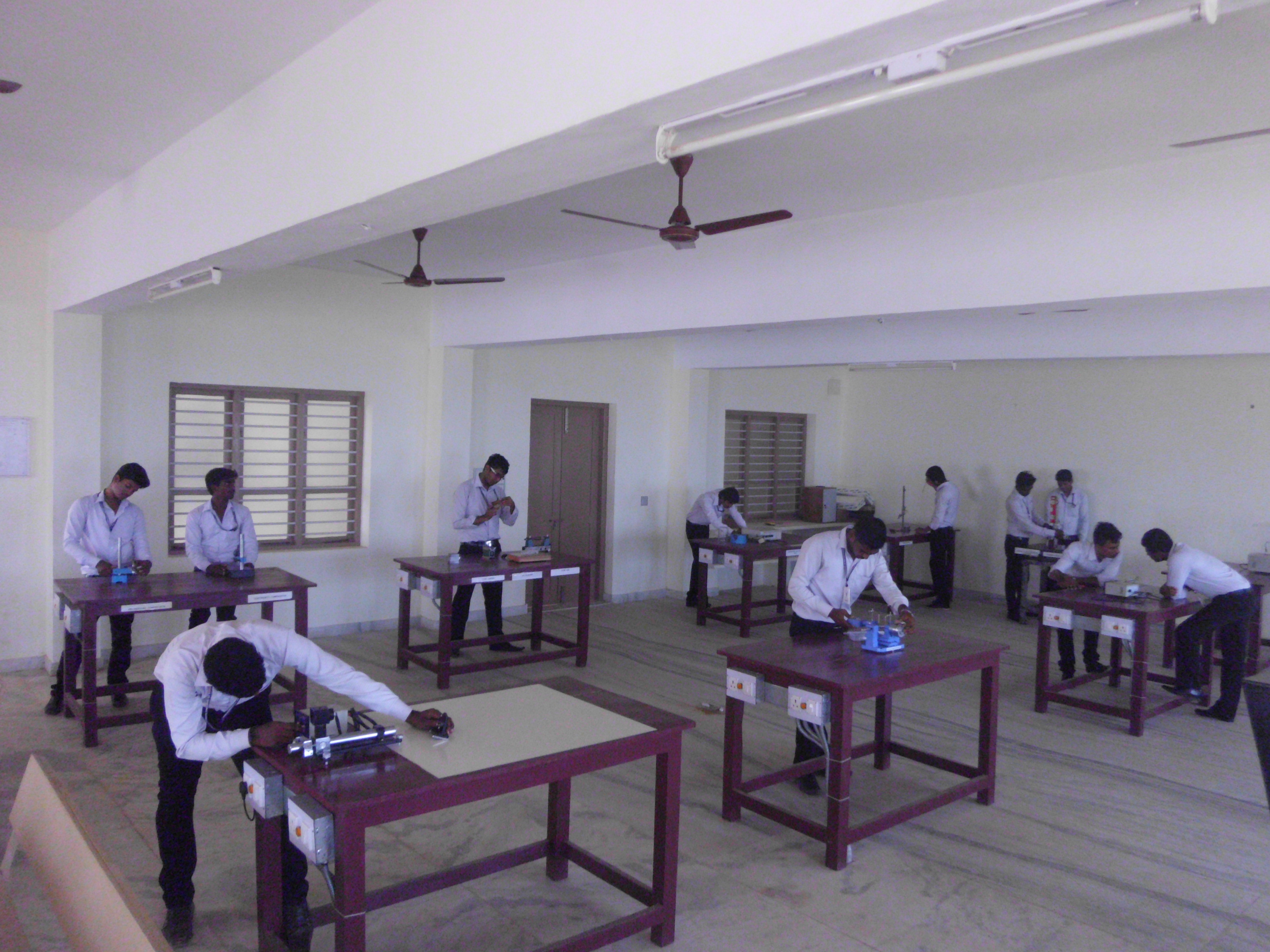
- Micrometer
- Vernier Caliper
- Vernier Height Gauge
- Vernier Depth Gauge
- Slip Gauge Set
- Gear Tooth Vernier
- Sine Bar
- Floating Carriage Micrometer
- Profile Projector
- Tool Makers Microscope
- Mechanical Comparator
- Electrical Comparator
- Pneumatic Comparator
- Autocollimator
- Temperature Measurement Setup
- Force Measurement Setup
- Torque Measurement Setup
- Coordinate Measuring Machine
- Surface Finish Measurement Equipment
- Bore Gauge
- Telescopic Gauge
The Mechatronics and IoT Laboratory integrates mechanical systems with electronics, controllers, sensors, pneumatics, hydraulics, embedded systems, PLCs and IoT technologies.
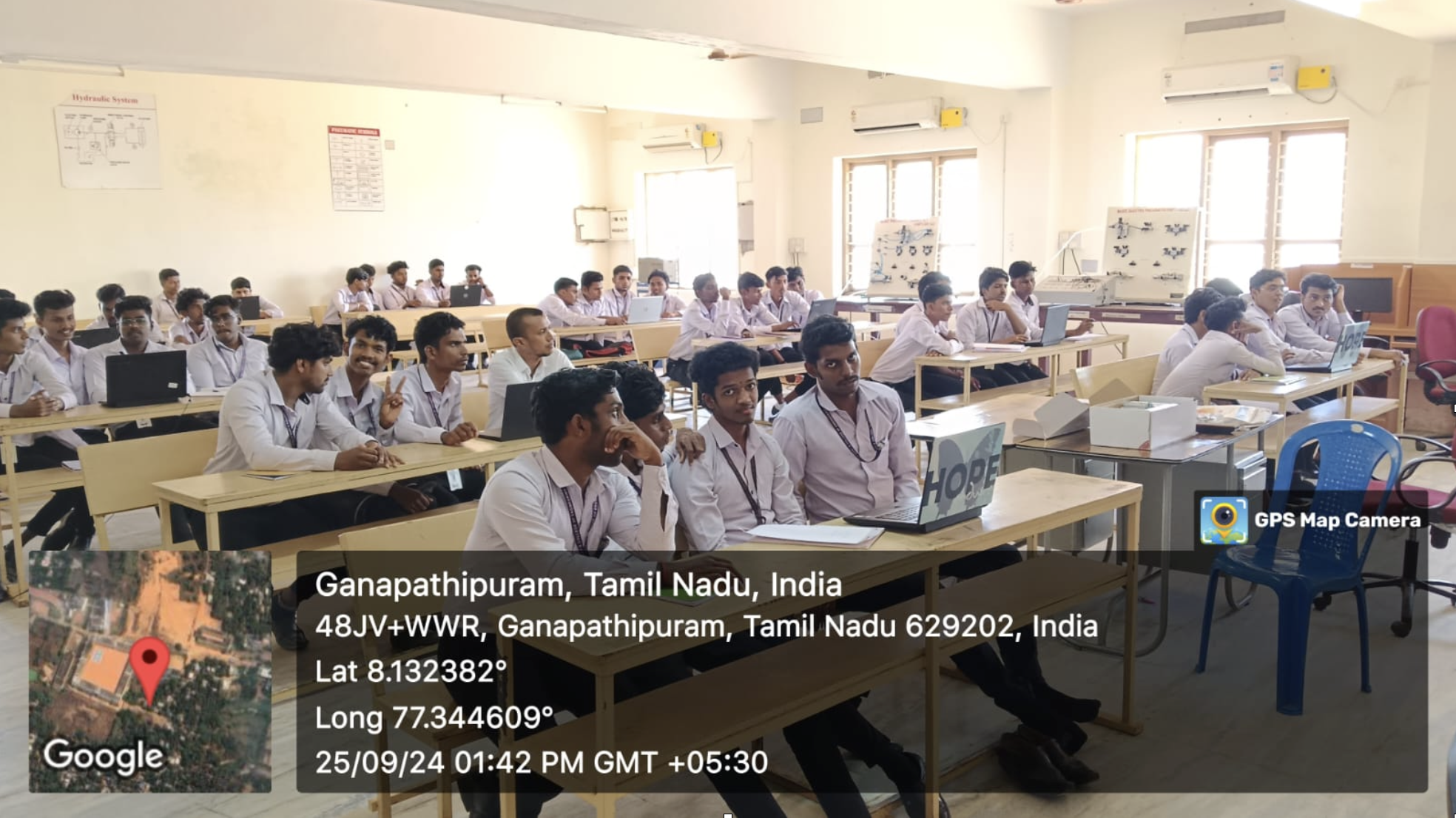
- Pneumatic Trainer Kit
- Electro-Pneumatic Trainer Kit
- PLC Trainer with Demonstrator and Software
- Basic Hydraulic Trainer Kit
- 8051 Microcontroller Trainer Kit
- Traffic Light Controller System
- Stepper Motor Controller
- DC Motor Speed Measurement and Control Module
- Transducer Trainer
- Image Processing System
- Air Compressor with Storage Tank
- Hydraulic Simulation Software
- Pneumatic Simulation Software
- Embedded IoT Trainer
- Position, direction and speed measurement using transducers
- Pressure, temperature and force measurement
- Speed and direction control of servo and induction motors
- 8051 arithmetic programming
- Stepper and DC motor interfacing
- Traffic-light interfacing
- Hydraulic and pneumatic sequencing
- PLC-based electro-pneumatic and hydraulic control
- Vision-based image acquisition, inspection and classification
The Strength of Materials Laboratory enables students to experimentally evaluate material behaviour, mechanical properties, strength and stiffness under different loading conditions.
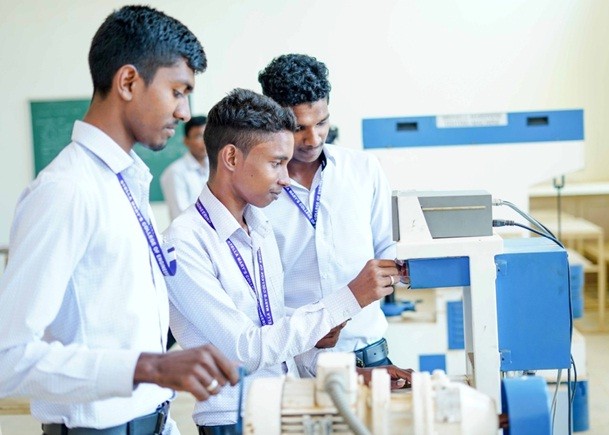
- Universal Testing Machine – 40 Ton Capacity
- Torsion Testing Machine – 60 Nm Capacity
- Impact Testing Machine – 300 J Capacity
- Brinell Hardness Testing Machine
- Rockwell Hardness Testing Machine
- Spring Testing Machine
- Metallurgical Microscopes
- Muffle Furnace – 1200°C
The Thermal Engineering Laboratory supports practical study of internal combustion engines, fuels, heat-transfer processes, boilers, compressors, refrigeration and air-conditioning systems.
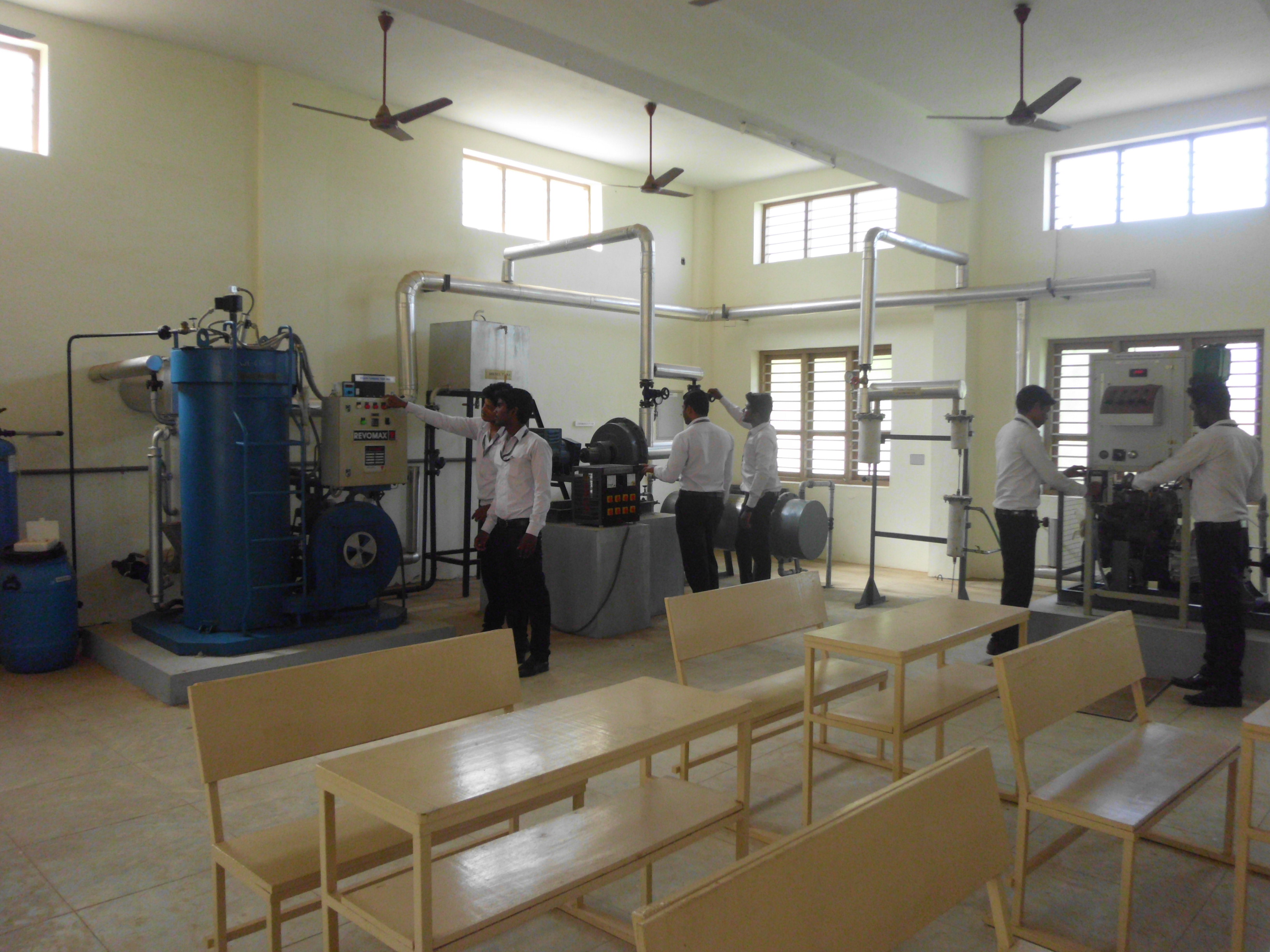
- Two-stroke and Four-stroke IC Engine Models
- Flash and Fire Point Apparatus
- Diesel Engines with Mechanical, Hydraulic and Electrical Loading
- Multi-cylinder Petrol Engine
- Single-cylinder Petrol Engine
- Data Acquisition System
- Steam Boiler with Turbine Setup
- Guarded Plate Apparatus
- Lagged Pipe Apparatus
- Natural Convection Apparatus
- Forced Convection Apparatus
- Composite Wall Apparatus
- Thermal Conductivity Apparatus
- Pin Fin Apparatus
- Stefan-Boltzmann Apparatus
- Emissivity Measurement Apparatus
- Parallel / Counter-flow Heat Exchanger
- Single / Two-stage Reciprocating Air Compressor
- Refrigeration Test Rig
- Air-conditioning Test Rig
Board of Studies
Academic, industry and alumni representatives supporting Mechanical Engineering curriculum design and academic quality.
| # | Name | Designation | Institution / Organisation | Role |
|---|---|---|---|---|
| 1 | Dr. F. Michael Raj | Professor & Head | SMCE | Chairman - BoS |
| 2 | Dr. N. Shenbaga Vinayaga Moorthy | Professor, Mechanical Engineering | Anna University Regional Campus, Tirunelveli | University Nominee |
| 3 | Dr. V. Mago Stalany | Associate Professor, Fire Technology and Safety Engineering | NICHE, Kumaracoil | Subject Expert - External |
| 4 | Dr. R. S. Jayaram | Associate Professor, Mechanical Engineering | Amrita College of Engineering and Technology | Subject Expert - External |
| 5 | Mr. A. Anesh Darrel | Executive Director | Darrels AM Research and Reverse Engineering Labs Pvt. Ltd. | Industry Expert |
| 6 | Mr. S. Jenish Rahul | Executive Engineer, R&D | Conserve Solutions, Chennai | Alumni |
| 7 | Dr. R. Suresh Premil Kumar | Professor & Principal | SMCE | Member |
| 8 | Dr. J. Jenix Rino | Associate Professor & Director | SMCE | Member |
| 9 | Dr. M. Sivaprakash | Professor | SMCE | Member |
| 10 | Dr. C. Dhayananth Jegan | Associate Professor | SMCE | Member |
| 11 | Dr. M. Abeens | Associate Professor | SMCE | Member |
| 12 | Dr. M. L. Bravin Nivas | Associate Professor | SMCE | Member |
| 13 | Mr. S. R. Rajkumar | Assistant Professor | SMCE | Member |
| 14 | Mr. E. Bravin Daniel | Assistant Professor | SMCE | Member |
| 15 | Mr. S. Ajith Kumar | Assistant Professor | SMCE | Member |
Board of Studies Minutes
Innovation in Teaching and Learning
Teaching-learning practices used by the Department of Mechanical Engineering.
Learning Management System Resources
Mechanical Engineering course materials and learning resources.
Mechanical Engineering Curriculum & Syllabus
Curriculum documents for the B.E. Mechanical Engineering programme.
Programme Outcomes
Graduate attributes, Mechanical Engineering competencies and educational objectives.
Programme Outcomes
- PO1 – Engineering Knowledge: Apply mathematics, science, engineering fundamentals and Mechanical Engineering knowledge to complex engineering problems.
- PO2 – Problem Analysis: Identify, formulate and analyse complex engineering problems using scientific and engineering principles.
- PO3 – Design / Development of Solutions: Design engineering solutions while considering safety, societal, cultural and environmental requirements.
- PO4 – Conduct Investigations: Apply research methods, experimentation, data analysis and interpretation to derive valid conclusions.
- PO5 – Modern Tool Usage: Select and apply modern engineering, computational and IT tools while recognising their limitations.
- PO6 – Engineer and Society: Apply contextual knowledge to professional engineering responsibilities and societal requirements.
- PO7 – Environment and Sustainability: Understand environmental impact and sustainable development in engineering practice.
- PO8 – Ethics: Apply ethical principles and professional responsibilities.
- PO9 – Individual and Team Work: Function effectively individually and in multidisciplinary teams.
- PO10 – Communication: Communicate effectively with the engineering community and society.
- PO11 – Project Management and Finance: Apply engineering and management principles to multidisciplinary projects.
- PO12 – Life-long Learning: Engage in independent and continuous professional learning.
Programme Specific Outcomes
- PSO1: Apply Mechanical Engineering knowledge to the design, development and manufacture of engineering systems.
- PSO2: Apply engineering knowledge to investigate research-oriented Mechanical Engineering problems with appropriate consideration for environmental and social impacts.
- PSO3: Use engineering analysis and data-management tools for effective management of multidisciplinary projects.
Programme Educational Objectives
- PEO I: Achieve career success through design, computational analysis, experimentation, smart manufacturing, technical services and research.
- PEO II: Work effectively with stakeholders and continuously improve competencies to participate ethically in a changing global engineering environment.
- PEO III: Encourage multidisciplinary research, innovation, advanced technology development and entrepreneurship.
- PEO IV: Apply technical knowledge to create opportunities and solve technical, environmental and societal problems through teamwork.
- PEO V: Develop Mechanical Engineers capable of ethical engineering practice and leadership in academia, industry and society.
Outcome Based Education Manual
Mechanical Engineering OBE processes and programme assessment framework.
Academic Calendar
Mechanical Engineering semester schedules and academic activities.
Mechanical Engineering Newsletter
Department academic, technical, research and student activity highlights.
Mechanical Engineering Magazine
Department publications highlighting student creativity, technical knowledge and activities.
Industry Collaboration
Industry-oriented learning, internships, collaborative programmes and Memoranda of Understanding.
Mechanical Engineering Placement Records
Placement outcomes and employment opportunities for Mechanical Engineering graduates.
Mechanical Engineering Gallery
Student projects, laboratory activities, technical programmes and department events.
Mechanical Engineering Gallery Images being uploaded!
Mechanical Engineering Alumni Testimonials
Experiences and career journeys of Mechanical Engineering graduates.
Mechanical Engineering Alumni Testimonials upload in progress!
About Mechanical Engineering at Stella Mary's College of Engineering
Quick answers about the B.E. Mechanical Engineering programme and department facilities.
When was the Mechanical Engineering Department established?
The Department of Mechanical Engineering at Stella Mary's College of Engineering was established in 2013.
What Mechanical Engineering programme is offered?
The department offers the four-year B.E. Mechanical Engineering programme.
What is the intake for Mechanical Engineering?
The B.E. Mechanical Engineering programme has an intake of 60 students.
Who is the Head of the Mechanical Engineering Department?
The Department of Mechanical Engineering is headed by Dr. M. Sivaprakash.
What are the major Mechanical Engineering laboratories?
The department provides Engineering Practices, CADEM, Kinematics and Dynamics, Fluid Mechanics and Machinery, Manufacturing Technology, Metrology and Measurement, Mechatronics and IoT, Strength of Materials and Thermal Engineering laboratories.
What software and digital engineering tools are available?
Mechanical Engineering students receive exposure to CAD, CAM, Creo, ANSYS, CNC systems, simulation, finite-element analysis, engineering modelling, PLC systems and other digital engineering tools.
Does Mechanical Engineering include Mechatronics and IoT?
Yes. The department has a dedicated Mechatronics and IoT Laboratory with PLCs, microcontrollers, pneumatic and hydraulic trainers, sensors, motor control systems, image-processing facilities and embedded IoT trainers.
What careers are available after Mechanical Engineering?
Mechanical Engineering graduates can pursue careers in design engineering, manufacturing, automotive, aerospace, production, thermal systems, energy, CAD/CAM, quality engineering, industrial automation, mechatronics, maintenance, research and technical services.
Does the department provide Outcome Based Education resources?
Yes. The Mechanical Engineering page provides a dedicated OBE Manual along with programme outcomes, programme-specific outcomes and programme educational objectives.
Where is Stella Mary's College of Engineering located?
Stella Mary's College of Engineering is located in Kanyakumari district, Tamil Nadu, India.