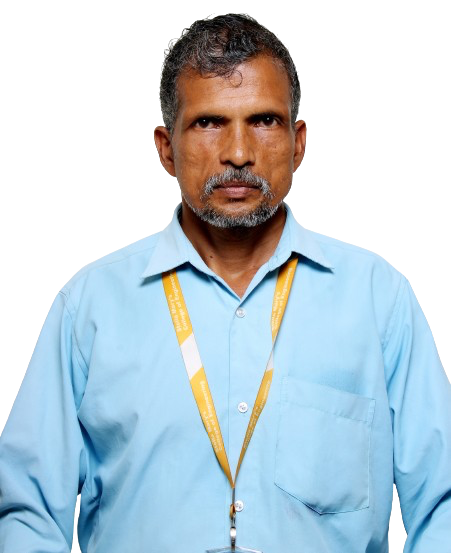
Head of the Department
Programme
B.E. Electrical and Electronics Engineering
Programme Intake
60 Students
Professional Areas
Power • Machines • Drives • Control

The Department of Electrical and Electronics Engineering at Stella Mary's College of Engineering, Kanyakumari, prepares students in electrical machines, power systems, power electronics, renewable energy, electrical drives, control systems, instrumentation and energy technologies for modern engineering applications.
The vision and mission of the Department of Electrical and Electronics Engineering reflect its commitment to technical excellence, innovation, ethical leadership, industry collaboration and sustainable development.
To be a regional beacon of excellence in Electrical and Electronics Engineering, fostering innovative and ethical leadership who drive technological advancements for a prosperous and environmentally sustainable society.
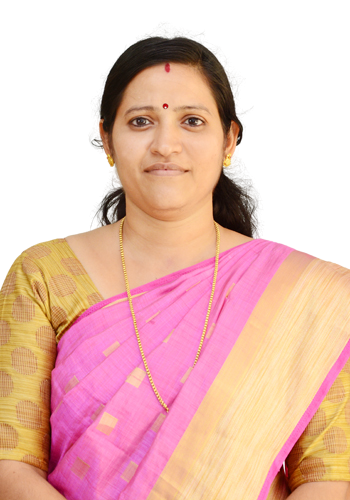
Teaching faculty of the Department of Electrical and Electronics Engineering.
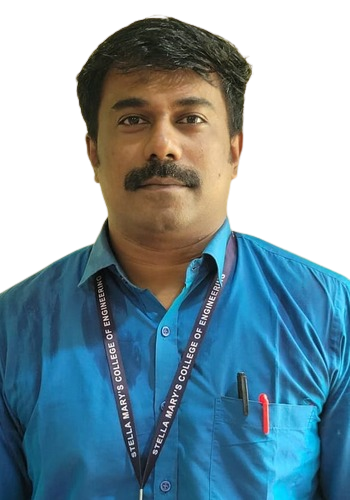







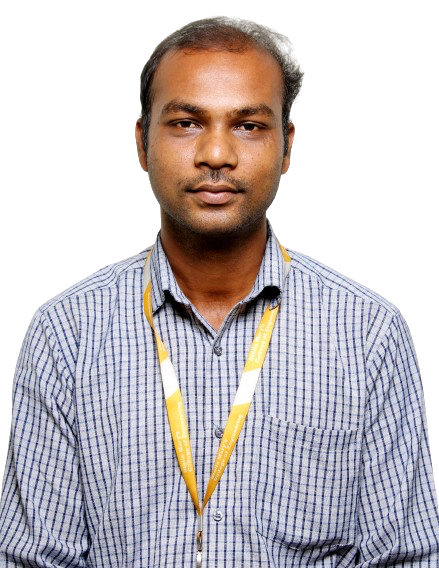



Technical and laboratory personnel supporting Electrical and Electronics Engineering.
Practical facilities supporting electrical machines, power electronics, power systems, instrumentation, control and circuit technologies.
This laboratory introduces students to basic electrical measuring equipment and commonly used electrical instruments. Students gain practical knowledge of wiring circuits, electrical quantities, residential wiring and troubleshooting of electrical equipment.
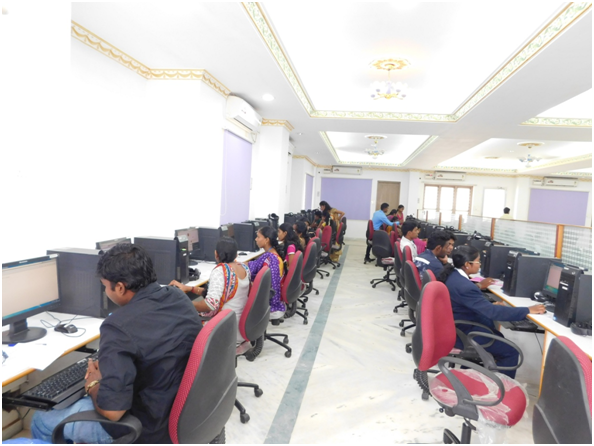
The Control and Instrumentation Laboratory enables students to study measurement, instrumentation, automation and feedback-control systems using hardware and simulation tools.
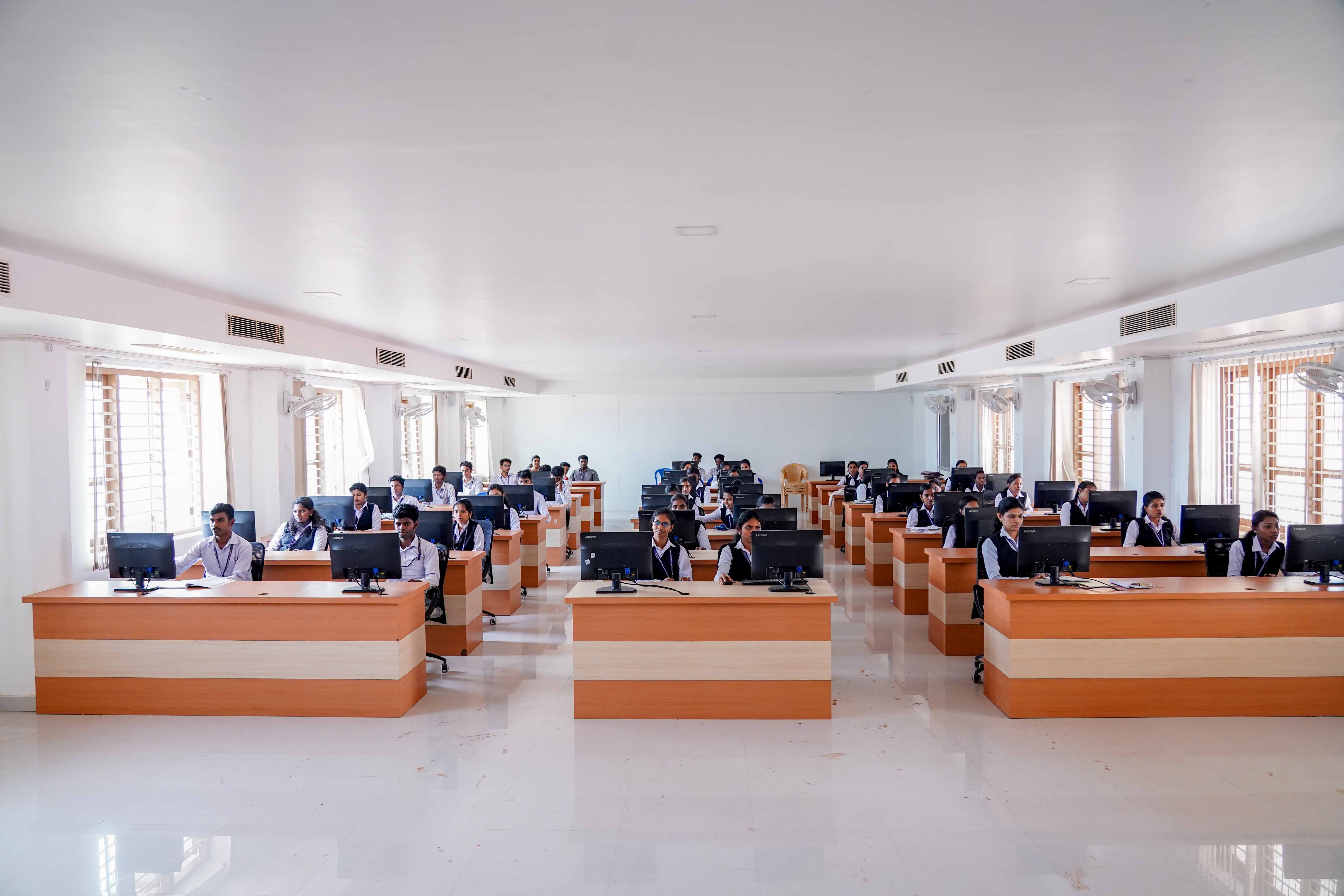
The Power Electronics and Drives Laboratory provides practical understanding of semiconductor devices, converters, inverters, choppers, AC voltage controllers and electrical motor drives.
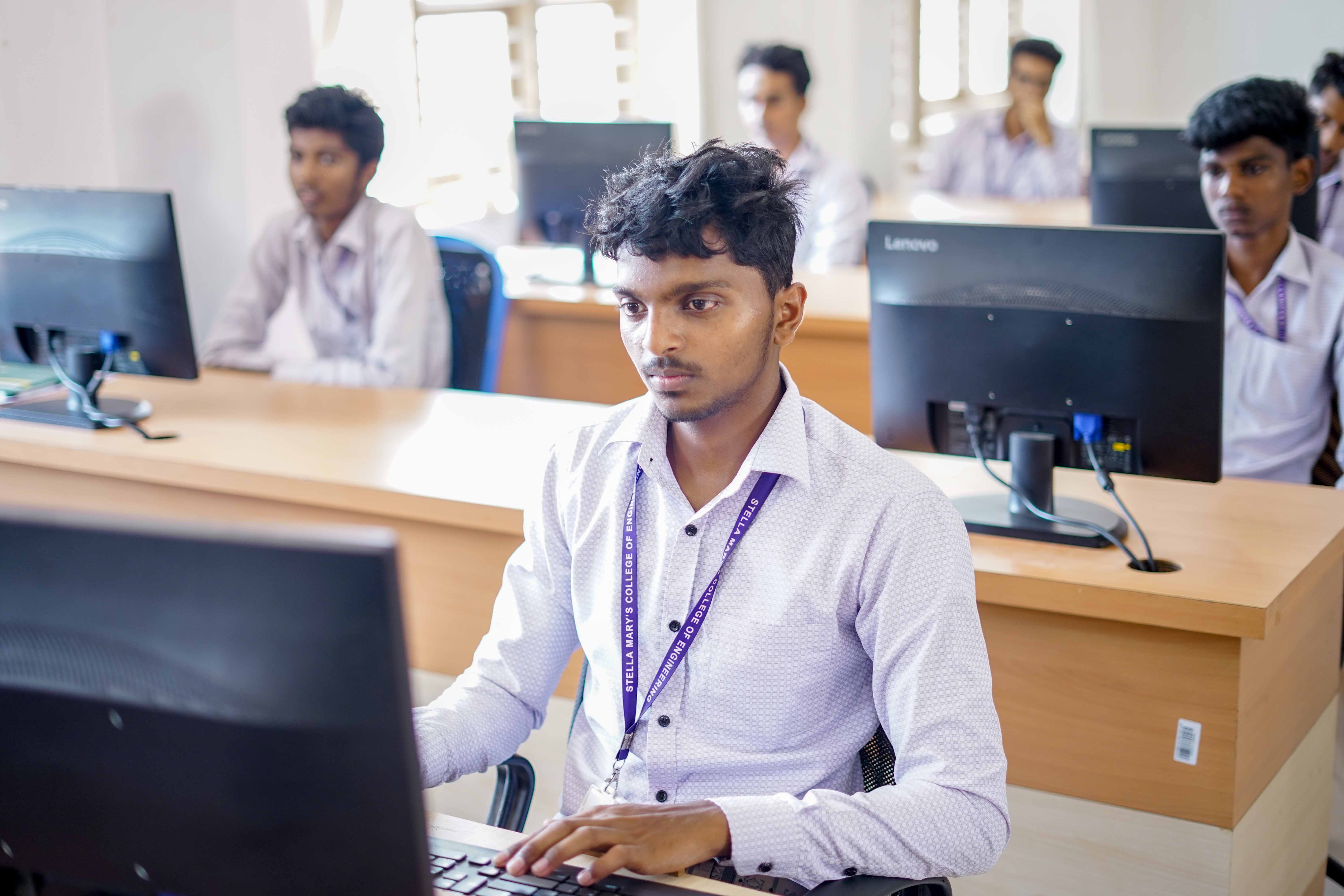
The Power System Simulation Laboratory supports simulation and analysis of electrical power systems. Students use engineering software for electrical-system modelling, analysis and project development.
The Electrical Machines Laboratory supports experiments on transformers, DC machines, induction motors and synchronous machines. Students perform load tests, speed-control tests, open-circuit tests, short-circuit tests and energy-conversion experiments.
The Electric Circuits Laboratory develops practical understanding of DC and AC circuits, electrical measurements and verification of circuit theorems.
The Linear Integrated Circuits Laboratory provides hands-on experience with operational amplifiers, timers, voltage regulators, ADCs, DACs and related analogue-integrated-circuit applications.
The laboratory supports the study of optical links, microwave components, fibre characteristics, antenna radiation and microwave S-parameters.
The Embedded Systems Laboratory enables students to study ARM processors, memory interfaces, real-time systems, I/O interfaces and embedded-system development.
Board of Studies meetings and academic records of the Department of Electrical and Electronics Engineering.
Academic regulations for the B.E. Electrical and Electronics Engineering programme.
Graduate attributes, discipline-specific competencies and educational objectives of the B.E. Electrical and Electronics Engineering programme.
The graduates of the B.E. Electrical and Electronics Engineering programme will be able to:
Engineering graduates will be able to:
Graduates of Electrical and Electronics Engineering will be able to:
Semester schedules and academic milestones for EEE.
Department activities, academic programmes and technical achievements.
The previous page displayed Civil Engineering newsletters. Those links have been removed to prevent incorrect departmental information from being indexed.
Industrial interaction, internships, value-added training and collaborative academic activities.
Placement records and career outcomes of students from the Department of Electrical and Electronics Engineering.
Electrical Engineering laboratory work, student projects, technical programmes and department events.
Experiences from graduates of Electrical and Electronics Engineering.
Quick answers about the B.E. Electrical and Electronics Engineering programme.
The department offers the B.E. Electrical and Electronics Engineering programme at Stella Mary's College of Engineering.
The B.E. Electrical and Electronics Engineering programme has an intake of 60 students.
The Department of Electrical and Electronics Engineering is headed by Dr. K. Ezhil Vignesh.
Students study electrical circuits, electrical machines, power generation, power transmission, power distribution, power electronics, electrical drives, control systems, instrumentation, renewable energy and power-system analysis.
The department provides practical facilities including Electrical Engineering Practices, Electrical Machines, Power Electronics and Drives, Power System Simulation, Control and Instrumentation, Electric Circuits and Linear Integrated Circuits laboratories.
EEE graduates can pursue careers in power generation, transmission and distribution, electrical machine design, industrial automation, electrical drives, renewable energy, energy management, control systems, manufacturing, electric mobility and related engineering industries.
Electrical and Electronics Engineering supports essential infrastructure such as power generation, electrical grids, industrial systems, transportation, renewable energy, automation and modern electronic technologies.
Stella Mary's College of Engineering is located in Kanyakumari district, Tamil Nadu, India.