Department of Artificial Intelligence and Data Science

Artificial Intelligence and Data Science

The Department of Artificial Intelligence and Data Science at Stella Mary's College of Engineering, Kanyakumari, prepares students to design intelligent systems, analyse complex data and build data-driven solutions using Artificial Intelligence, Machine Learning, Deep Learning, Natural Language Processing, Computer Vision and Big Data Analytics.

Department of Artificial Intelligence and Data Science at Stella Mary's College of Engineering, Kanyakumari
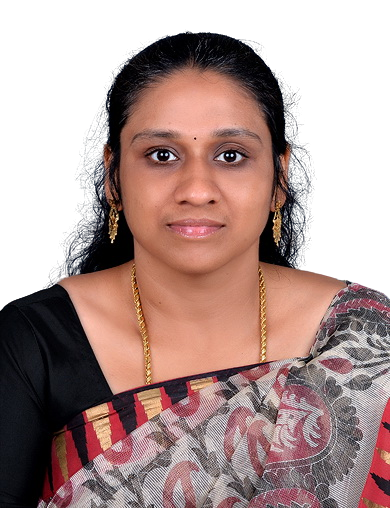
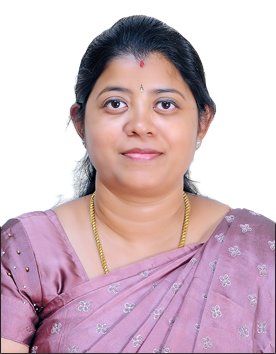
Head of the Department
Programme Intake
120 Students
Programme
B.Tech. Artificial Intelligence and Data Science
Technology Areas
AI • Machine Learning • Deep Learning • Big Data
AI Engineer Data Scientist Machine Learning Engineer Data Engineer Data Analyst Computer Vision Engineer NLP Engineer Research Scientist

Vision & Mission

Developing globally competent AI and Data Science professionals with technical excellence, ethics and social responsibility.

Vision

To provide a cognitive learning environment and develop globally competent professionals in Artificial Intelligence and Data Science with ethics and social responsibility towards society.

Mission

  • To emphasise the transfer of technical knowledge through progressive learning techniques in Artificial Intelligence and Data Science.
  • To collaborate with industries, research organisations and professional societies for enhancing technical development and career opportunities.
  • To empower students to develop Artificial Intelligence-based approaches and data-driven solutions across a range of disciplines.
  • To inculcate ethical values, social awareness and professional responsibility among students while addressing societal requirements.

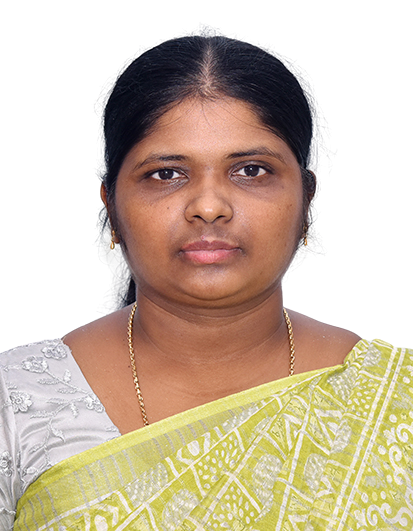
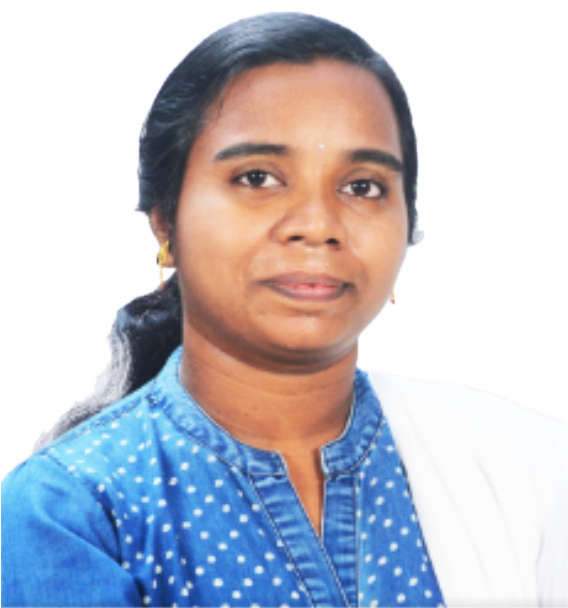
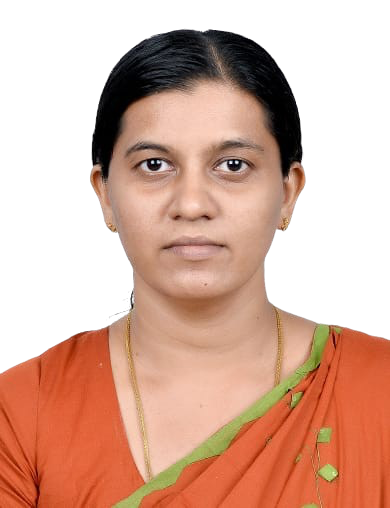
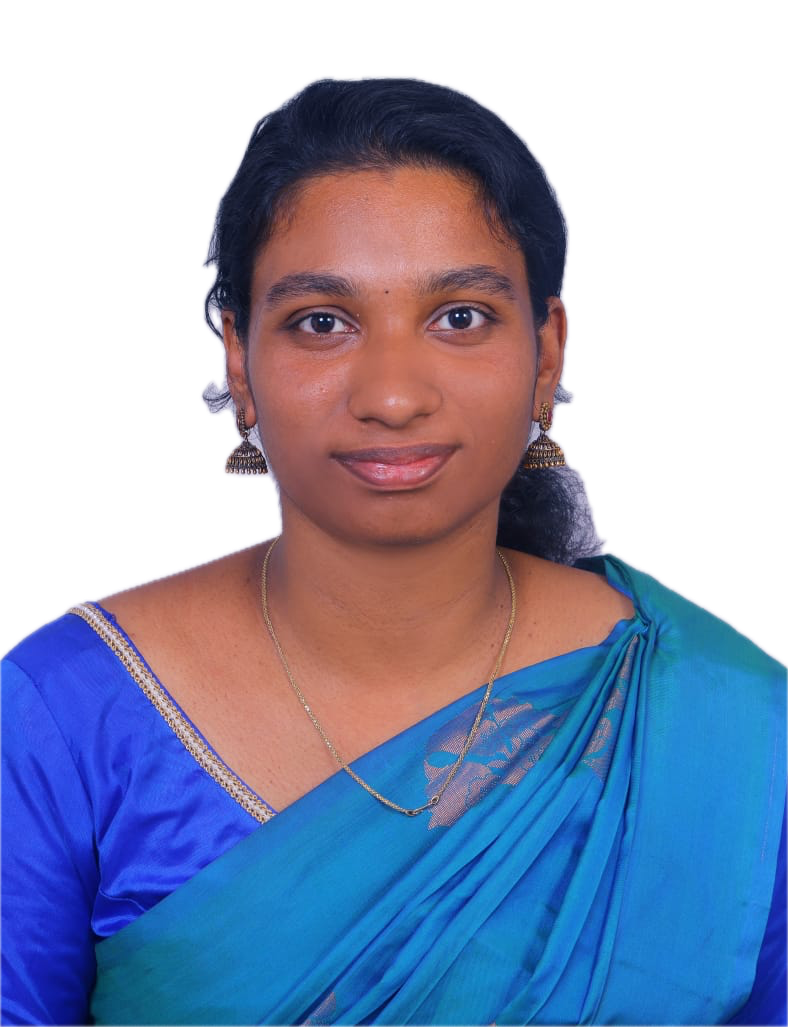
Artificial Intelligence and Data Science Faculty

Meet the teaching faculty of the Department of Artificial Intelligence and Data Science.

Non-Teaching Staff

Technical and administrative personnel supporting the Department of Artificial Intelligence and Data Science.

Non-teaching staff information is currently being updated.

Artificial Intelligence Laboratory

Computing infrastructure supporting AI, Machine Learning, Data Science, analytics, database technologies and intelligent applications.

The Artificial Intelligence and Data Science Laboratory provides students with practical exposure to intelligent computing and data-driven technologies. Students apply concepts from algorithms, Artificial Intelligence, Machine Learning, Data Science, analytics, Natural Language Processing, database systems, cybersecurity, Computer Vision and Big Data technologies.

Laboratory-based learning enables students to develop programming, experimentation, modelling and analytical skills while working on applications and projects under faculty guidance.

Application Software and Platforms

Anaconda
Jupyter Notebook
Anaconda Navigator
RStudio
MySQL
Oracle Database
Eclipse
Android Studio
XAMPP / WAMP
Hadoop
OpenStack
VirtualBox
Network Simulator NS2
Adobe Tools
Microsoft Office
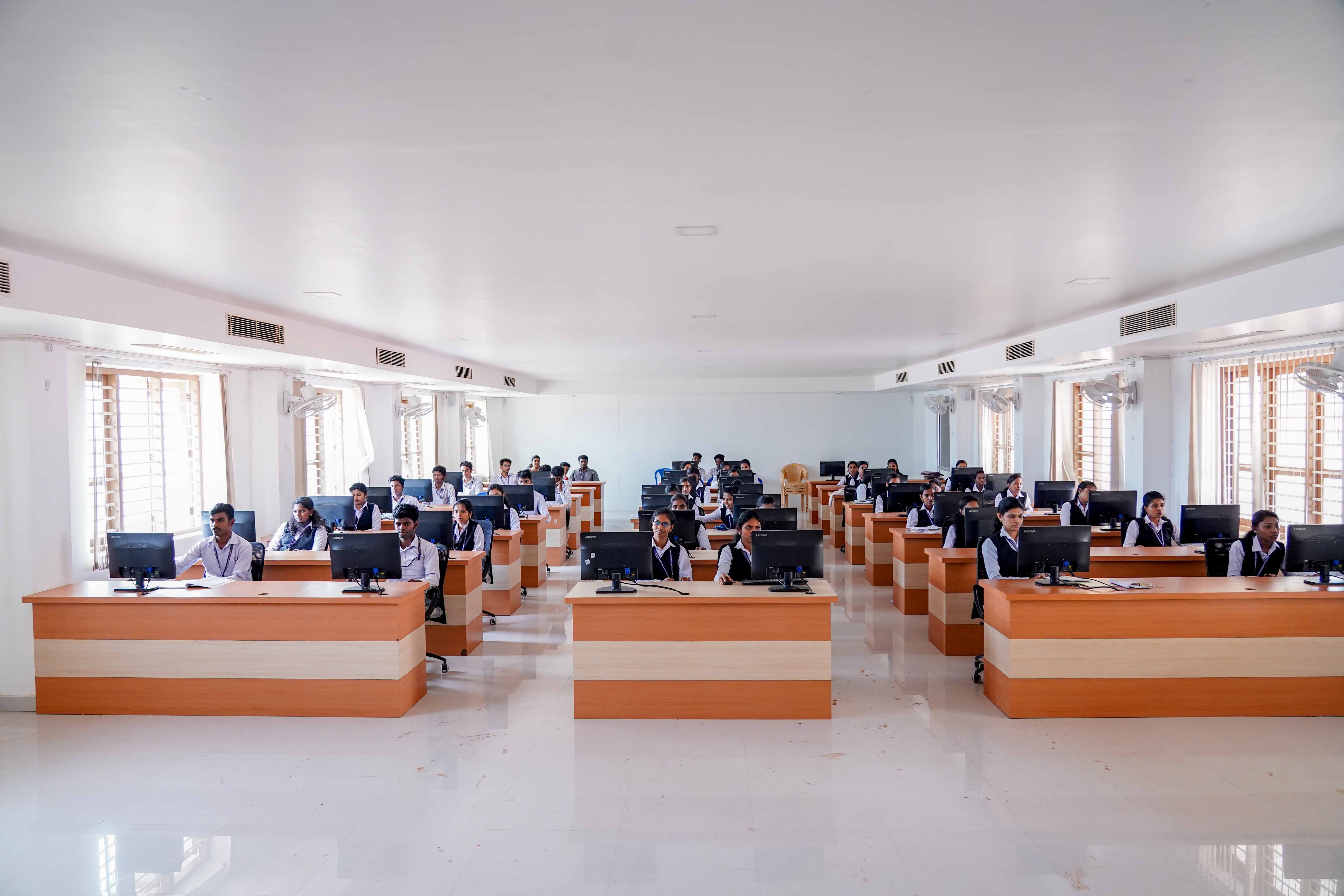
Computing laboratory used for Artificial Intelligence and Data Science practical learning
Image note: the current source file is located under the CSE asset directory. Replace it with a dedicated AI&DS laboratory photograph when available.
AI and Data Science Focus Areas

Core technologies and knowledge domains developed through the programme.

Artificial Intelligence

Intelligent systems, search, reasoning, knowledge representation and automated decision making.

Machine Learning

Supervised, unsupervised and predictive learning methods for data-driven applications.

Deep Learning

Neural network architectures for complex learning, vision, language and predictive tasks.

Data Science

Data acquisition, preparation, analysis, modelling and interpretation for actionable insights.

Natural Language Processing

Computational techniques for analysing, understanding and generating human language.

Computer Vision

Image analysis, recognition and visual intelligence for real-world applications.

Data Analytics

Statistical and computational methods for discovering patterns and supporting decisions.

Big Data

Processing, storing and analysing large-scale and distributed datasets.

Data Visualization

Transforming complex datasets into effective visual representations for interpretation and communication.

Board of Studies

Academic experts, industry professionals, university nominees and faculty supporting AI&DS curriculum development.

AI&DS Board of Studies information is being updated.

Artificial Intelligence and Data Science Syllabus

Curriculum and academic regulations for the B.Tech. Artificial Intelligence and Data Science programme.

AI & Data Science Regulation 2021 Syllabus Opens curriculum PDF in new tab
AI & Data Science Regulation 2024 Syllabus Current autonomous curriculum

Programme Outcomes

Engineering graduate attributes and competencies specific to Artificial Intelligence and Data Science.

Programme Outcomes (POs)

  • PO1 – Engineering Knowledge: Apply knowledge of mathematics, science, engineering fundamentals and engineering specialisation to solve complex engineering problems.
  • PO2 – Problem Analysis: Identify, formulate, review research literature and analyse complex engineering problems using mathematics, natural sciences and engineering principles.
  • PO3 – Design / Development of Solutions: Design solutions for complex engineering problems while considering public health, safety, societal and environmental requirements.
  • PO4 – Conduct Investigations: Apply research-based knowledge, experimentation, data analysis and interpretation to derive valid conclusions.
  • PO5 – Modern Tool Usage: Select and apply appropriate techniques, resources, modern engineering tools and IT tools while understanding their limitations.
  • PO6 – Engineer and Society: Apply contextual reasoning to societal, health, safety, legal and cultural issues related to professional engineering practice.
  • PO7 – Environment and Sustainability: Understand engineering impacts in societal and environmental contexts and support sustainable development.
  • PO8 – Ethics: Apply ethical principles and commit to professional responsibilities and engineering practice.
  • PO9 – Individual and Team Work: Function effectively individually and as a member or leader in diverse teams.
  • PO10 – Communication: Communicate effectively on complex engineering activities with professional communities and society.
  • PO11 – Project Management and Finance: Apply engineering and management principles to project and multidisciplinary environments.
  • PO12 – Life-long Learning: Recognise the need for independent and continuous learning in the context of technological change.

Programme Specific Outcomes (PSOs)

On successful completion of the Artificial Intelligence and Data Science programme, graduates shall be able to:

  • PSO1: Develop AI-based domain-specific processes to support effective decision making across areas such as engineering, business and governance.
  • PSO2: Derive actionable foresight, insight and hindsight from data for solving business and engineering problems.
  • PSO3: Apply theoretical knowledge of Artificial Intelligence and Data Analytics together with industrial tools and techniques to address complex societal problems.
  • PSO4: Develop competencies in data analytics, data visualisation, knowledge acquisition, knowledge representation and knowledge engineering for complex projects.
  • PSO5: Undertake fundamental and applied research to address critical societal needs using emerging Artificial Intelligence technologies.

Academic Calendar

Semester schedules and academic milestones for Artificial Intelligence and Data Science.

2023–24 Even Semester Document link to be updated
2023–24 Odd Semester Document link to be updated

AI&DS Student and Alumni Testimonials

Experiences from students and graduates of the Artificial Intelligence and Data Science programme.

Testimonials are being updated.

About Artificial Intelligence and Data Science at Stella Mary's College of Engineering

Quick answers about the B.Tech. Artificial Intelligence and Data Science programme.

When was the Artificial Intelligence and Data Science programme started?

The B.Tech. Artificial Intelligence and Data Science programme at Stella Mary's College of Engineering was started in 2023.

What degree is offered in Artificial Intelligence and Data Science?

The department offers a B.Tech. degree programme in Artificial Intelligence and Data Science.

What is the intake for Artificial Intelligence and Data Science?

The B.Tech. Artificial Intelligence and Data Science programme has an intake of 120 students.

Who is the Head of the AI and Data Science Department?

The Department of Artificial Intelligence and Data Science is headed by Dr. M. Supriya.

What technologies are taught in Artificial Intelligence and Data Science?

The programme covers Artificial Intelligence, Machine Learning, Deep Learning, Data Science, Natural Language Processing, Computer Vision, Big Data Analytics, Data Engineering, statistics, programming, databases and data visualisation.

What are the career opportunities after B.Tech. AI and Data Science?

Graduates can pursue careers such as AI Engineer, Machine Learning Engineer, Data Scientist, Data Engineer, Data Analyst, Business Intelligence Engineer, NLP Engineer, Computer Vision Engineer, Knowledge Engineer, Business Analyst and Research Scientist.

Does the department provide practical AI laboratory training?

Yes. Students receive practical exposure to Artificial Intelligence, Machine Learning, analytics, databases, Natural Language Processing, Computer Vision and data-oriented application development through laboratory learning and projects.

Where is Stella Mary's College of Engineering located?

Stella Mary's College of Engineering is located in Kanyakumari district, Tamil Nadu, India.