Powering the Future
Advanced learning in modern power systems, renewable energy, smart grids, electrical protection, power-system stability, system control and energy technologies.
Advanced postgraduate study in electrical power generation, transmission, distribution, protection, stability, control, smart grids, renewable energy, energy management and emerging power technologies.
Advanced learning in modern power systems, renewable energy, smart grids, electrical protection, power-system stability, system control and energy technologies.
Academic direction of M.E. Power Systems Engineering.
The officially approved Vision and Mission statements for M.E. Power Systems Engineering are being compiled and will be published after academic verification.
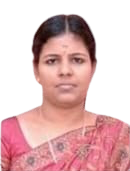
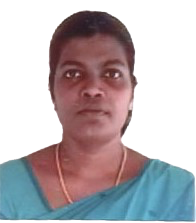
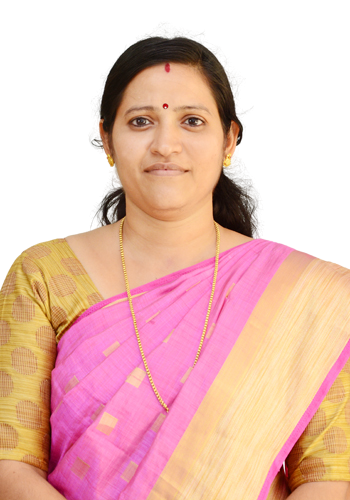
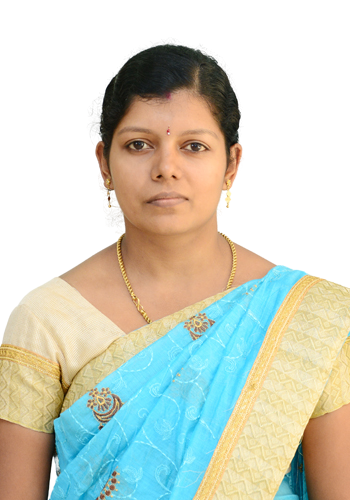
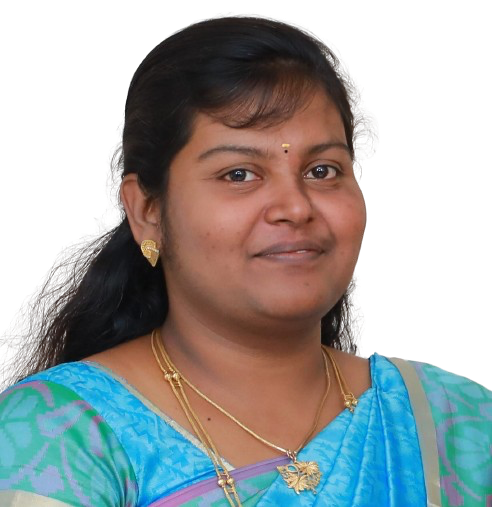
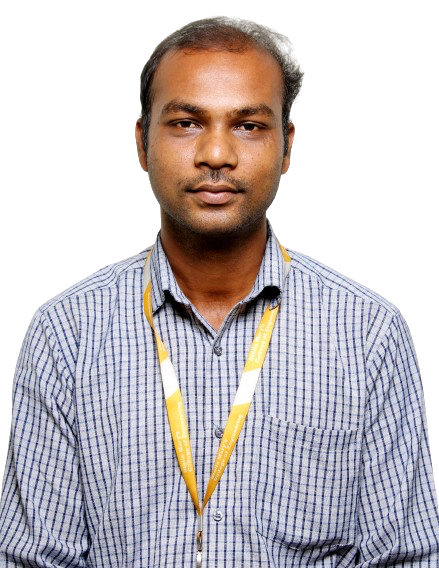
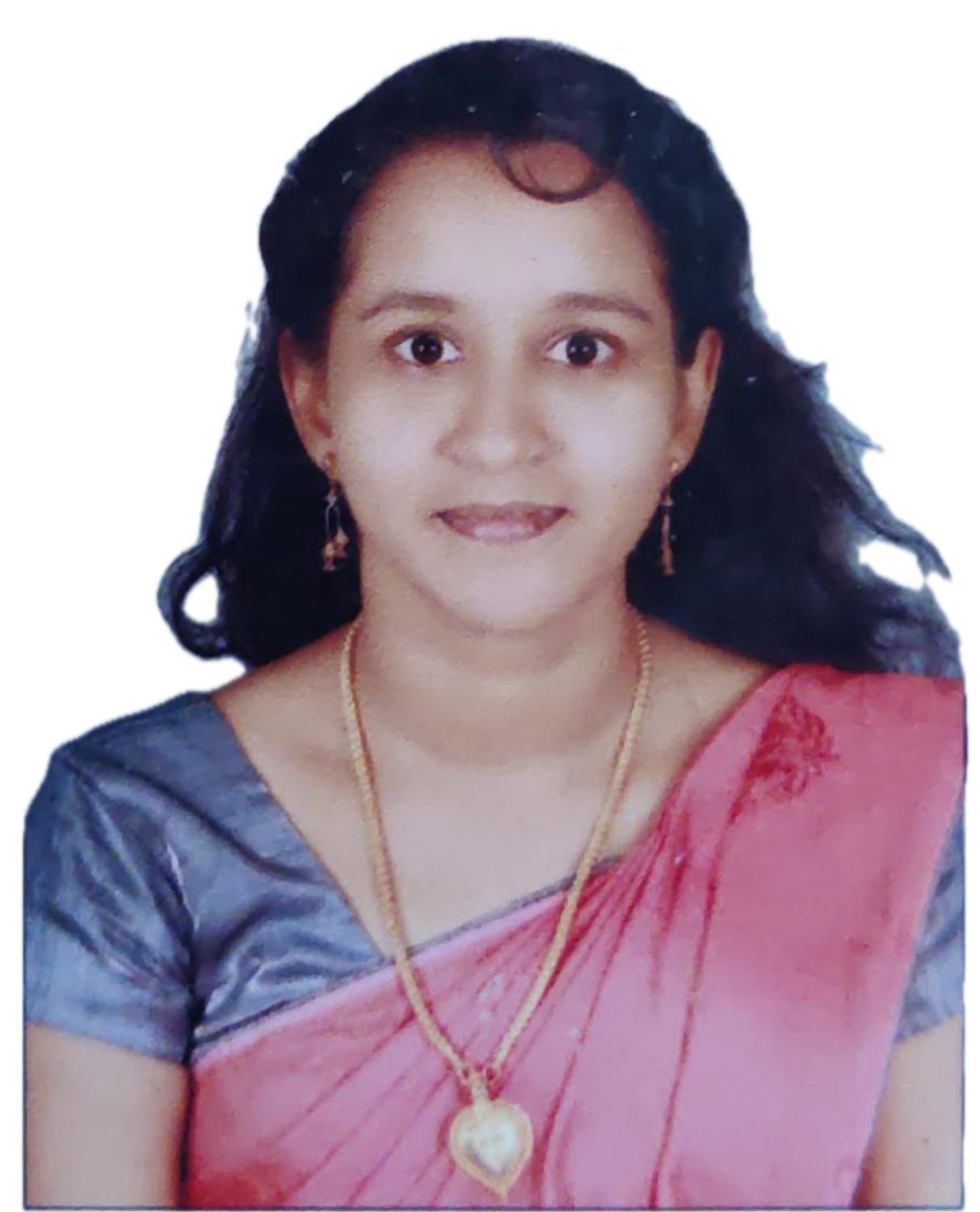
Being UpdatedTeaching faculty of the Department of Electrical and Electronics Engineering supporting advanced learning in electrical engineering and power systems.
Technical and supporting staff associated with the programme.
Verified non-teaching and technical staff information specific to M.E. Power Systems Engineering will be published here after verification.
Being UpdatedAdvanced facilities supporting Power Systems Engineering.
Programme-specific laboratories, simulation tools, electrical power-system equipment and experimental facilities will be published after verification.
Being UpdatedAcademic and industry experts supporting curriculum development.
Verified Board of Studies members, university nominees, industry experts, alumni representatives and approved meeting minutes will be published here.
Being UpdatedInnovative approaches in postgraduate power engineering education.
Programme-specific innovative teaching practices, simulations, problem-based learning, case studies and project-oriented learning documentation will be published after verification.
Being UpdatedDigital learning materials and academic resources.
Course-wise digital resources, lecture materials, learning modules and academic support content for M.E. Power Systems Engineering will be linked here.
Being UpdatedAcademic curriculum for M.E. Power Systems Engineering.
The officially approved M.E. Power Systems Engineering curriculum and syllabus documents will be added after the programme-specific files are verified.
Being UpdatedGraduate competencies and programme-specific outcomes.
Official Programme Outcomes, Programme Educational Objectives and Programme Specific Outcomes for M.E. Power Systems Engineering will be published after academic verification.
Being UpdatedProgramme-specific OBE and quality documentation.
Outcome mapping, assessment processes, programme-level OBE documentation and supporting manuals will be published after verification.
Being UpdatedSemester schedules and academic activities.
Verified semester-wise academic calendars for M.E. Power Systems Engineering will be added here.
Being UpdatedProgramme activities, research and technical events.
Programme-specific newsletters, research highlights and departmental activity publications will be published when verified documents are available.
Being UpdatedTechnical, academic and student publications.
Power Systems Engineering technical magazines, student publications and programme-specific academic publications will be added when available.
Being UpdatedProfessional and industrial engagement in power and energy.
Verified industrial visits, internships, technical training, professional collaborations, MoUs and power-sector interactions relevant to M.E. Power Systems Engineering will be added here.
Being UpdatedProfessional opportunities for Power Systems graduates.
Verified placement records, internships, career-development activities and employer information for M.E. Power Systems Engineering will be published here.
Being UpdatedProgramme activities, laboratories and technical events.
Verified photographs of programme activities, laboratories, seminars, industrial visits, student projects and technical events will be published here.
Being UpdatedExperiences of students and alumni.
Only verified testimonials from M.E. Power Systems Engineering students and alumni will be published in this section.
Being UpdatedPower Systems Engineering connects advanced electrical engineering with modern and sustainable energy systems.
Study of electrical power networks, load-flow analysis, fault studies, system planning and network performance.
Protection of generators, transformers, transmission lines and distribution systems against faults and abnormal operating conditions.
Analysis and control of power-system stability, dynamic behaviour and secure grid operation.
Integration of solar, wind and distributed energy resources into modern electrical power networks.
Digital monitoring, communication, automation and intelligent control technologies for future power networks.
Efficient generation, distribution, utilisation, storage and sustainable management of electrical energy.
Quick information about Power Systems Engineering at Stella Mary's College of Engineering.
Stella Mary's College of Engineering has a dedicated webpage for the M.E. Power Systems Engineering postgraduate programme. Detailed programme-specific academic information is currently being updated.
M.E. Power Systems Engineering is academically associated with the Department of Electrical and Electronics Engineering at Stella Mary's College of Engineering.
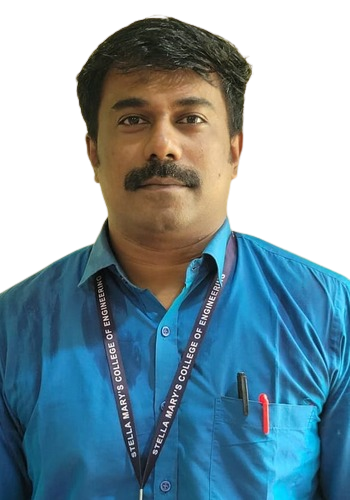
The Department of Electrical and Electronics Engineering is headed by Dr. K. Ezhil Vignesh.
The faculty section displays the current teaching faculty of the Department of Electrical and Electronics Engineering directly from the college faculty database.
M.E. Power Systems Engineering is an advanced postgraduate engineering discipline focused on electrical power generation, transmission, distribution, protection, stability, control and modern energy systems.
Major areas include power-system analysis, power-system protection, stability and control, renewable energy integration, smart grids, power electronics, electrical power quality, energy management and energy storage.
A smart grid is an electrical network that uses digital monitoring, communication, automation and intelligent control to improve efficiency, reliability and integration of renewable energy resources.
Power Systems graduates can pursue professional and research opportunities in electrical utilities, power generation, transmission, distribution, renewable energy, smart grids, electrical protection, power-system planning, energy management and engineering consultancy.
Only verified programme-specific information is being published. Official syllabus documents, laboratories, Board of Studies, programme outcomes, academic calendars and other programme records will be added once they are confirmed.
Stella Mary's College of Engineering is located in Kanyakumari district, Tamil Nadu, India.